Drones have evolved from recreational gadgets into powerful tools for aerial photography, inspection, mapping, search and rescue, and autonomous flight. At the heart of reliable drone autonomy lies a robust depth‑sensing module: DTOF for drone is no longer optional but essential. Many drone builders and developers struggle with bulky, power‑hungry sensors that drain batteries, lack precision, or fail under bright sunlight. If you want a drone that navigates safely, maps accurately, and flies with confidence, you need a dedicated DTOF for drone solution that checks every box. Today, we reveal why the HM‑LD1 DTOF Solid‑State LiDAR stands as the undisputed champion for drone integration, delivering unbeatable performance in a tiny footprint.
Why DTOF for Drone Is Non‑Negotiable for Modern Flight
Before diving into the HM‑LD1, let’s clarify why DTOF for drone systems outperform legacy sensing options. Traditional ultrasonic sensors are slow and inaccurate; stereo vision struggles in low light; mechanical LiDARs are heavy, fragile, and power‑hungry. Direct Time‑of‑Flight (dToF) technology solves these pain points by measuring the exact round‑trip time of sub‑nanosecond light pulses, delivering fast, stable, and precise depth data without moving parts.
For drones, DTOF for drone sensors must meet strict demands: ultra‑low weight, minimal power draw, reliable outdoor performance, high accuracy, and easy integration. A poor sensor choice leads to unstable flight, limited battery life, collision risks, and weak mapping results. The right DTOF for drone module turns an ordinary drone into an intelligent, autonomous platform capable of professional tasks. That’s exactly what the HM‑LD1 delivers—without compromise.
HM‑LD1: The Perfect DTOF for Drone—Light, Tough, and Precise
When designing the HM‑LD1, engineers focused entirely on drone‑centric priorities: weight, size, power efficiency, accuracy, and environmental resilience. This DTOF for drone module is built from the ground up for aerial use, making it superior to generic dToF sensors forced into drone applications.
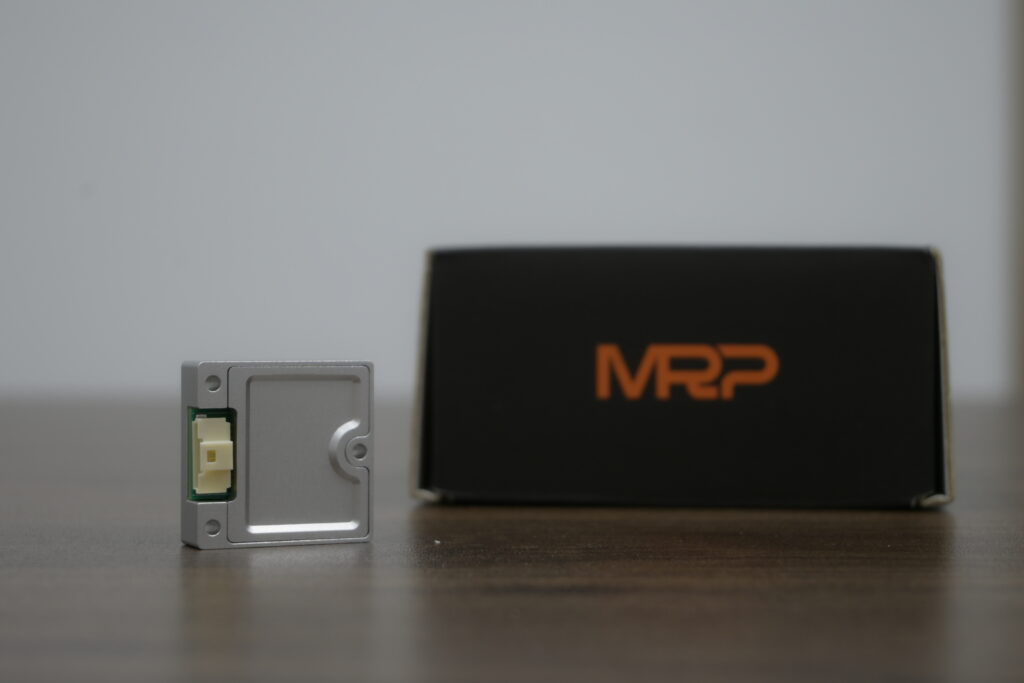
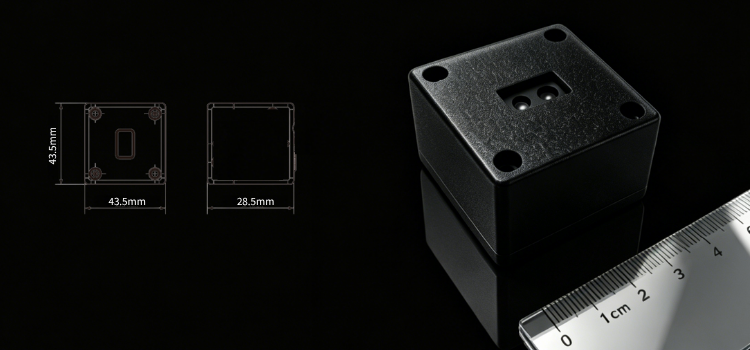
Weighing less than 20g and measuring 43.5mm × 43.5mm × 28.5mm, the HM‑LD1 adds almost zero payload burden—critical for maximizing flight time and maneuverability. Drones rely on every gram saved; this DTOF for drone sensor lets you keep batteries, cameras, and other gear without sacrificing stability.
Under the hood, it uses high‑sensitivity SPAD detection and 940nm VCSEL Class 1 eye‑safe emitters, supporting a 60°(H) × 45°(V) field of view for broad situational awareness. Ranging performance is tailored for drones: 0.5–25m indoors and 0.2–8m outdoors, even in strong sunlight up to 80,000 lux. Whether flying inside warehouses, across construction sites, or over open fields, this DTOF for drone remains consistent.
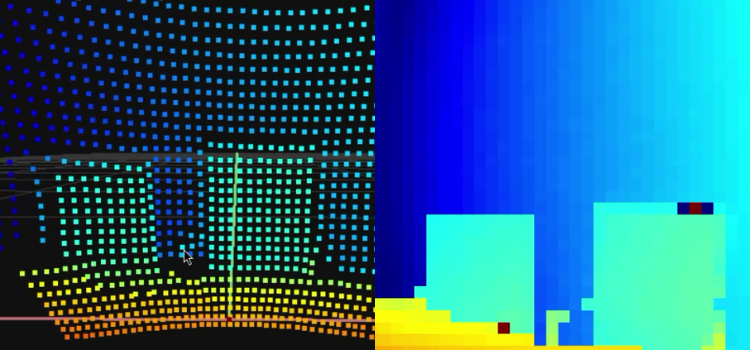
Accuracy is where the HM‑LD1 truly shines, with ±3cm typical ranging error—ideal for precise hovering, obstacle avoidance, and 3D mapping. Paired with 40×30 resolution and 10fps frame rate, it generates clear depth maps and point clouds in real time, giving your drone reliable spatial awareness.
Low Power, Broad Compatibility: HM‑LD1 Elevates Any Drone
A great DTOF for drone sensor must not drain batteries. The HM‑LD1 operates at just 1.2W power draw, letting drones fly longer while maintaining continuous depth sensing. No more sudden power drops or shortened missions—this DTOF for drone module supports extended flights for inspection, mapping, and research.
Integration is seamless thanks to UART, UDP, and UVC interfaces, with official SDKs for Windows, Linux, ARM Linux, and Android. Whether you’re building a consumer drone, industrial UAV, robotic drone, or research platform, this DTOF for drone slots right into your system. It supports real‑time depth data, point clouds, and intensity outputs, simplifying navigation and SLAM implementation.
The HM‑LD1 thrives in harsh conditions with an operating range of ‑20℃ to 60℃, making it suitable for year‑round drone missions in cold, heat, and unstable environments. Its solid‑state design means no moving parts to fail mid‑flight—enhancing reliability for professional and industrial use. This DTOF for drone is built to last.
Who Benefits Most from This DTOF for Drone?
The HM‑LD1 is the top DTOF for drone choice across use cases:
- Drone Manufacturers: Embed a reliable, compact depth sensor for autonomous flight and safety features.
- Industrial Inspectors: Use for power lines, bridges, dams, and buildings with stable ranging and mapping.
- Drone Developers & Researchers: Prototype navigation, SLAM, and AI perception with easy SDK support.
- Robotic Dogs & Mobile Robots: Adaptable for ground and air autonomy with the same trusted DTOF for drone tech.
- Educational Teams: Build drone projects with affordable, professional‑grade depth sensing.
No other DTOF for drone module balances weight, power, precision, and durability like the HM‑LD1. It eliminates the frustration of heavy, power‑hungry sensors while boosting drone intelligence and safety.
Final Verdict: HM‑LD1 Is the Undisputed Best DTOF for Drone
If you’re building, upgrading, or optimizing a drone, don’t settle for second‑best depth sensing. The HM‑LD1 DTOF Solid‑State LiDAR is purpose‑built as the ultimate DTOF for drone, delivering professional performance in a tiny, efficient package.
With its ultra‑lightweight design, low power consumption, ±3cm accuracy, strong sunlight resistance, and broad platform support, it solves the biggest challenges of drone autonomy. Whether you need stable navigation, real‑time mapping, obstacle avoidance, or precise hovering, this DTOF for drone module delivers consistent, dependable results.
Stop letting weak sensors limit your drone’s potential. Equip it with the HM‑LD1 and experience next‑level aerial intelligence.
Learn more and order yours today: https://myrobotproject.com/product/dtof-solid-state-lidar-hm-ld1/
The relevant video link:https://www.youtube.com/shorts/GRNhnFKC6Fg