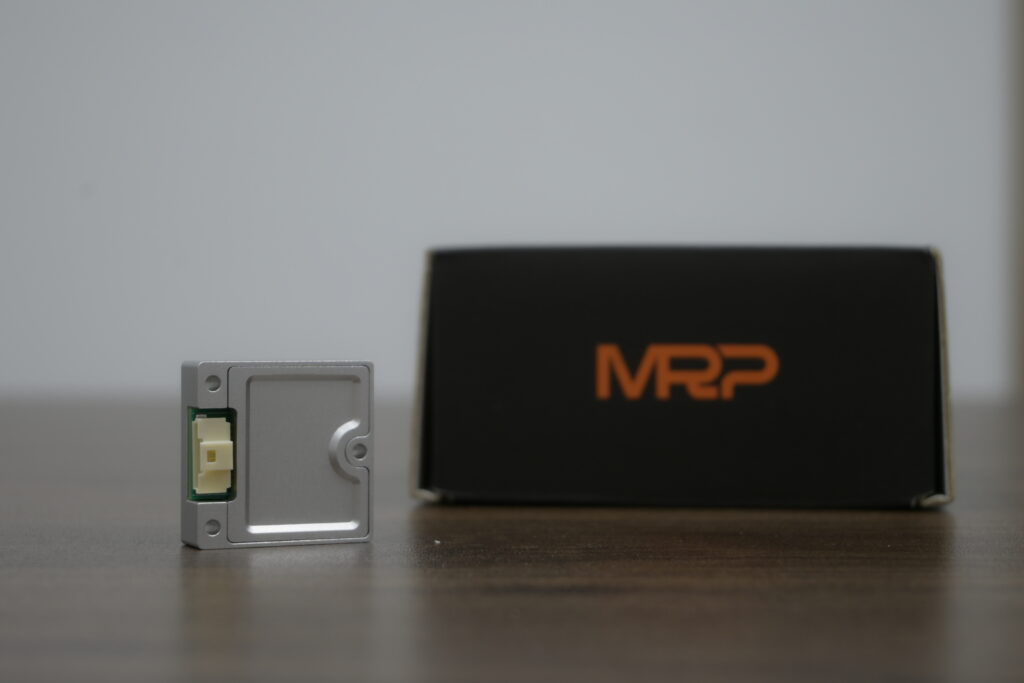
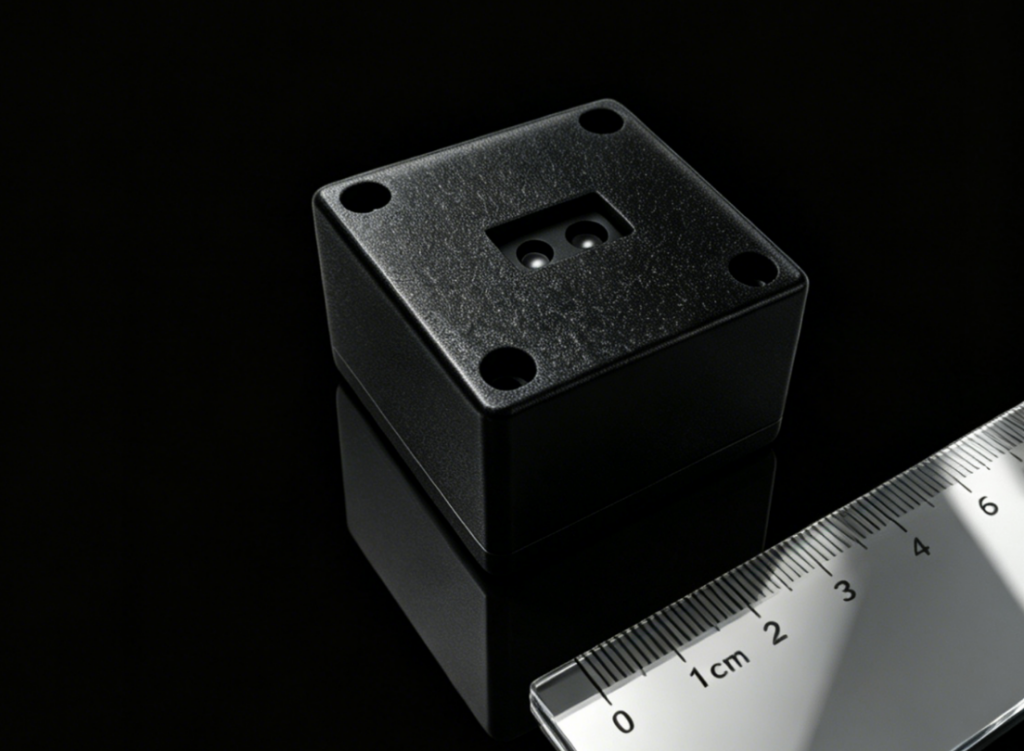
hm_ld1_sdk is a lightweight C++17 SDK for HM-LD1 ToF modules. It provides one unified API over serial, UDP, and UVC transports, and converts device-specific packets into a consistent FrameSet. Buy it now
Features
- Single public header:
include/hm_ld1_sdk/hm_ld1_sdk.hpp - Unified API for
Serial,Udp, andUvc - Automatic caching of device info and calibration
- Automatic depth/point-cloud completion when calibration is available
- CMake install/export support with
find_package - Linux support for UVC/V4L2 and UDP interface auto-configuration
Repository Layout
include/hm_ld1_sdk/: public APIsrc/protocol/: protocol parsingsrc/transport/: serial, UDP, and UVC transportssrc/internal/: internal frame normalization and geometry helperscmake/: CMake package config template
Platform Support
| Transport | Windows | Linux | Notes |
|---|---|---|---|
| Serial | Yes | Yes | Default baud rate is 921600 |
| Udp | No | Yes | Requires IPv4 UDP sockets |
| Uvc | No | Yes | Requires V4L2 with YUYV capture |
UdpConfig::autoConfigrelies on raw sockets and interface reconfiguration, which usually requiresroot,CAP_NET_RAW, orCAP_NET_ADMIN.
Build
Build the shared library
cmake -S . -B build -DCMAKE_BUILD_TYPE=Release
cmake --build build --config Release
Install
cmake --install build --prefix /usr/localInstalled artifacts include:
- Header:
include/hm_ld1_sdk/hm_ld1_sdk.hpp - Shared library:
libhm_ld1_sdk.so/hm_ld1_sdk.dll - CMake package:
hm_ld1_sdkConfig.cmake
Use from another CMake project
find_package(hm_ld1_sdk CONFIG REQUIRED)
target_link_libraries(your_app PRIVATE hm_ld1::sdk)
Quick Start
#include <hm_ld1_sdk/hm_ld1_sdk.hpp>

#include <iostream>
#include <optional>
#include <string>

enum class SelectedTransport {
    Uart,
    Udp,
    Uvc,
};

std::optional<SelectedTransport> ParseTransport(const std::string& name) {
    if (name == "uart" || name == "serial") {
        return SelectedTransport::Uart;
    }
    if (name == "udp") {
        return SelectedTransport::Udp;
    }
    if (name == "uvc") {
        return SelectedTransport::Uvc;
    }
    return std::nullopt;
}

int main(int argc, char** argv) {
    if (argc < 2) {
        std::cerr << "usage: " << argv[0] << " <uart|udp|uvc> [device-or-address] [udp-interface]\n";
        return 1;
    }

    const std::optional<SelectedTransport> selected = ParseTransport(argv[1]);
    if (!selected.has_value()) {
        std::cerr << "unsupported transport: " << argv[1] << '\n';
        return 1;
    }

    hm_ld1::Camera camera;
    hm_ld1::CameraConfig config;

    switch (*selected) {
        case SelectedTransport::Uart:
            config.transportType = hm_ld1::TransportType::Serial;
            config.serial.port = argc > 2 ? argv[2] : "/dev/ttyUSB0";
            config.serial.baud = 921600;
            config.serial.crcMode = "auto";
            break;
        case SelectedTransport::Udp:
            config.transportType = hm_ld1::TransportType::Udp;
            config.udp.bindAddress = argc > 2 ? argv[2] : "0.0.0.0";
            config.udp.port = 2368;
            config.udp.interfaceName = argc > 3 ? argv[3] : "";
            break;
        case SelectedTransport::Uvc:
            config.transportType = hm_ld1::TransportType::Uvc;
            config.uvc.device = argc > 2 ? argv[2] : "/dev/video0";
            config.uvc.workingProfile = hm_ld1::UvcStreamProfile::Auto;
            break;
    }

    std::string error;
    if (!camera.Open(config, &error)) {
        std::cerr << "open failed: " << error << '\n';
        return 1;
    }

    for (;;) {
        hm_ld1::FrameSet frame;
        if (!camera.Poll(&frame, &error)) {
            std::cerr << "poll failed: " << error << '\n';
            break;
        }
        if (frame.empty()) {
            continue;
        }

        std::cout << "seq=" << frame.sequence
                  << " depth=" << frame.depth.width << "x" << frame.depth.height
                  << " points=" << frame.pointCloud.size()
                  << " confidence=" << frame.confidence.values.size()
                  << '\n';
    }

    camera.Close();
    return 0;
}
Run examples:
./example uart /dev/ttyUSB0
./example udp 0.0.0.0 eth0
./example uvc /dev/video0
Configuration
Serial
hm_ld1::CameraConfig config;
config.transportType = hm_ld1::TransportType::Serial;
config.serial.port = "/dev/ttyUSB0";
config.serial.baud = 921600;
config.serial.crcMode = "auto";
Supported crcMode values:
autononecrc8crc8_itumaximrohc
UDP
hm_ld1::CameraConfig config;
config.transportType = hm_ld1::TransportType::Udp;
config.udp.bindAddress = "0.0.0.0";
config.udp.port = 2368;
config.udp.interfaceName = "eth0";
config.udp.autoConfig = false;
config.udp.autoConfigTimeoutMs = 5000;
UVC
hm_ld1::CameraConfig config;
config.transportType = hm_ld1::TransportType::Uvc;
config.uvc.device = "/dev/video0";
config.uvc.workingProfile = hm_ld1::UvcStreamProfile::Auto;
config.uvc.bootstrapCalibration = true;
config.uvc.bootstrapProfile = hm_ld1::UvcStreamProfile::Mixed120x90;
config.uvc.bootstrapTimeoutMs = 1500;
UVC profile meanings:
Auto: resolves toMixed120x90Depth40x30: depth-only streamMixed120x90: mixed point-cloud / depth / info streamPointCloud160x120: point-cloud streamRaw480x360: raw stream with histogram
Profile names describe the UVC transport format. The normalized measurement output from the SDK still uses a
40x30depth/point-cloud grid.
Output Model
FrameSet
sequence: SDK-side monotonically increasing frame idtransportType: transport used by the current frameactiveUvcProfile: active UVC profileclock: host monotonic clock and device timestampcalibration: camera intrinsics/distortioninfoSnapshot: cached device info snapshotdepth:ImageFrame<uint16_t>pointCloud:PointCloudFrameconfidence: confidence maphistogram: only present for raw UVC streams
Automatic completion
- If the device provides a point cloud without a depth frame, the SDK reconstructs depth from
z - If the device provides depth and valid calibration, the SDK derives a point cloud automatically
PointCloudFrame::sourcetells whether the point cloud is direct device output or derived from depth
Runtime Notes
Open()only commits internal state after the transport is fully openedPoll()returningtruewithframe.empty()means no complete measurement was available yet, not an errorLatestDeviceInfo()andLatestCalibration()expose the latest cached snapshotsStats()reports successful packets, parse failures, CRC failures, and the last error string
Troubleshooting
UVC transport is only supported on Linux: current platform does not provide V4L2 supportUDP transport is not implemented on Windows: UDP transport is Linux-onlyUnexpected UDP payload size: the incoming datagram does not match the expected protocol sizeUVC device negotiated a different stream size: the device did not accept the requested profile dimensionsTimed out while bootstrapping HM-LD1 UVC calibration: calibration bootstrap timed out; try anotherbootstrapProfileor a longer timeout
License
This project is released under the MIT License. See LICENSE for details.
Official Website:https://myrobotproject.com/product/dtof-solid-state-lidar-hm-ld1/
GitHub Repository: https://github.com/myrobotproject/Dtof-SSL-HM-LD1-sdk