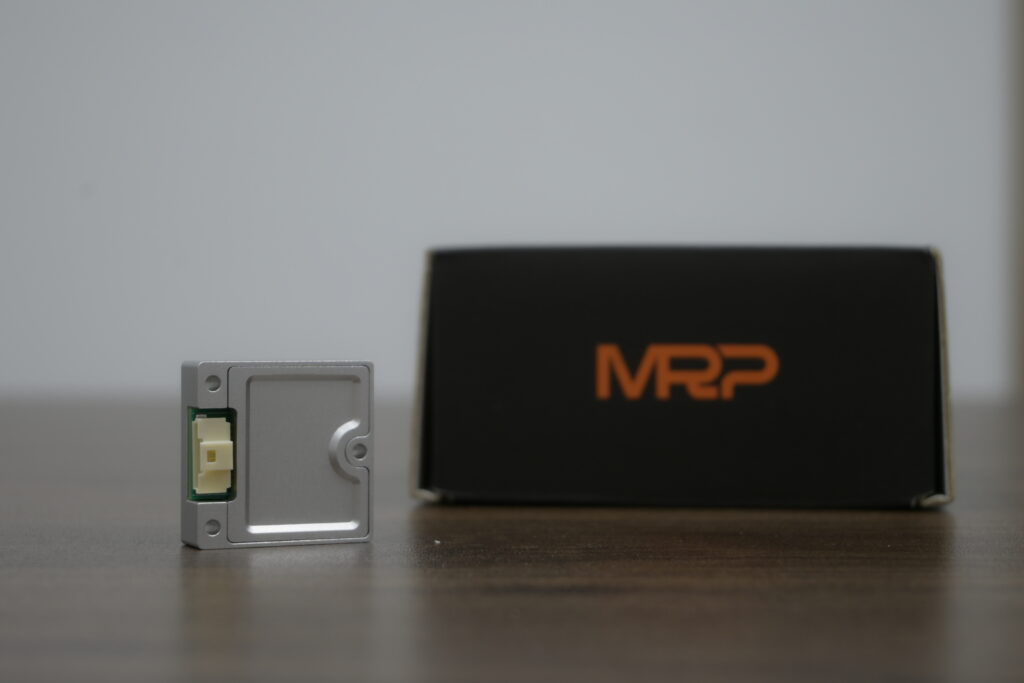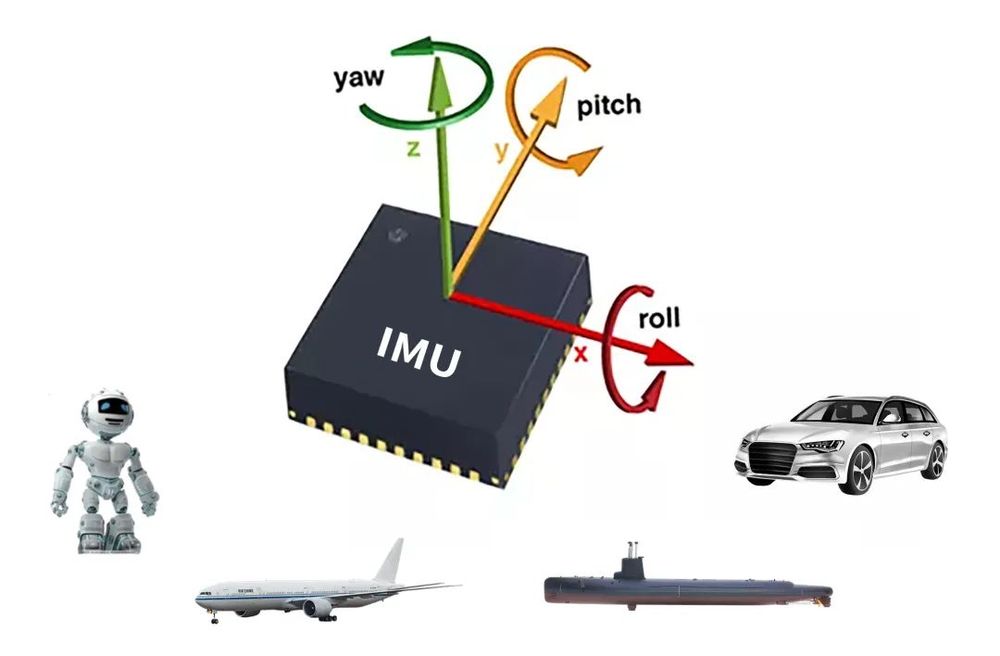
In the fast-growing field of 3D perception, direct Time-of-Flight (dToF) technology has become a game-changer for accurate distance measurement and environmental sensing. Unlike traditional mechanical scanning lidars or indirect ToF (iToF) solutions, DTOF Solid state LiDAR delivers stable performance, long ranging capability, and strong anti-interference, making it the first choice for smart devices, robots, and unmanned systems. Today, we will take an in-depth look at the HM-LD1, a star product in the dToF solid-state lidar market, and show you why it stands out in real-world applications.
What Makes DTOF Solid state LiDAR the Core of Modern 3D Perception?
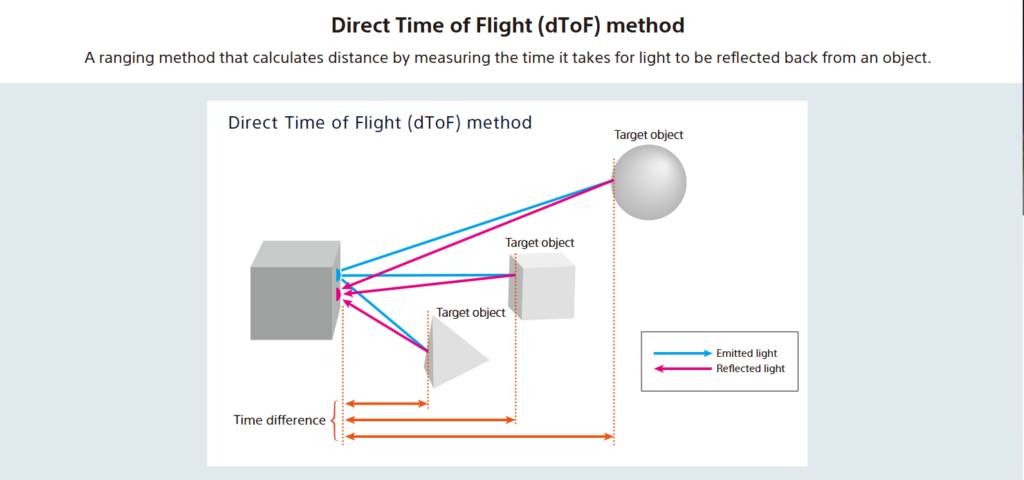
Before diving into the HM-LD1, it’s essential to understand why DTOF Solid state LiDAR has become the mainstream technology for 3D depth sensing. dToF (direct Time-of-Flight) works by emitting nanosecond laser pulses and measuring the exact round-trip time of photons reflected from target objects. Using the formula Distance = Speed of Light × Time Difference ÷ 2, it calculates precise distance data with no mechanical rotating parts, which greatly improves stability and service life.
Compared with iToF and triangulation methods, DTOF Solid state LiDAR has three irreplaceable advantages: first, it uses high-sensitivity Single-Photon Avalanche Diode (SPAD) sensors to capture single photons, achieving picosecond-level time measurement and centimeter-level accuracy; second, it adopts 940nm invisible VCSEL light source, which is Class 1 eye-safe and has strong resistance to ambient light; third, the solid-state structure ensures no wear and tear, suitable for long-term use in harsh environments. These features make DTOF Solid state LiDAR the optimal solution for both short-range and medium-range 3D sensing tasks.
What is dToF?
dToF (Direct Time of Flight) is a distance measurement technique that determines depth by measuring the travel time of light. It works by emitting short light pulses toward a target and detecting the time it takes for the light to reflect back, allowing the system to calculate the distance to the object.
A typical dToF system consists of three main components: a VCSEL (Vertical-Cavity Surface-Emitting Laser), a SPAD (Single-Photon Avalanche Diode), and a TDC (Time-to-Digital Converter). The VCSEL generates pulsed light, the SPAD detects the weak reflected signals from the target, and the TDC records the time interval between emission and detection.
Because photon detection in a SPAD is inherently stochastic, the system usually performs multiple measurements within a single frame. The TDC then compiles these measurements into a histogram of time-of-flight values, and the most frequent time value is selected as the final measurement t. The distance is calculated using the formula D=2c⋅t, where c is the speed of light.
Compared to iToF, dToF directly measures the actual flight time of light and does not rely on complex phase calculations. This leads to higher accuracy and better resistance to interference. In addition, dToF offers fast response, low power consumption, strong immunity to ambient light, and the ability to detect multiple objects simultaneously.
Core Technical Advantages of HM-LD1 DTOF Solid state LiDAR
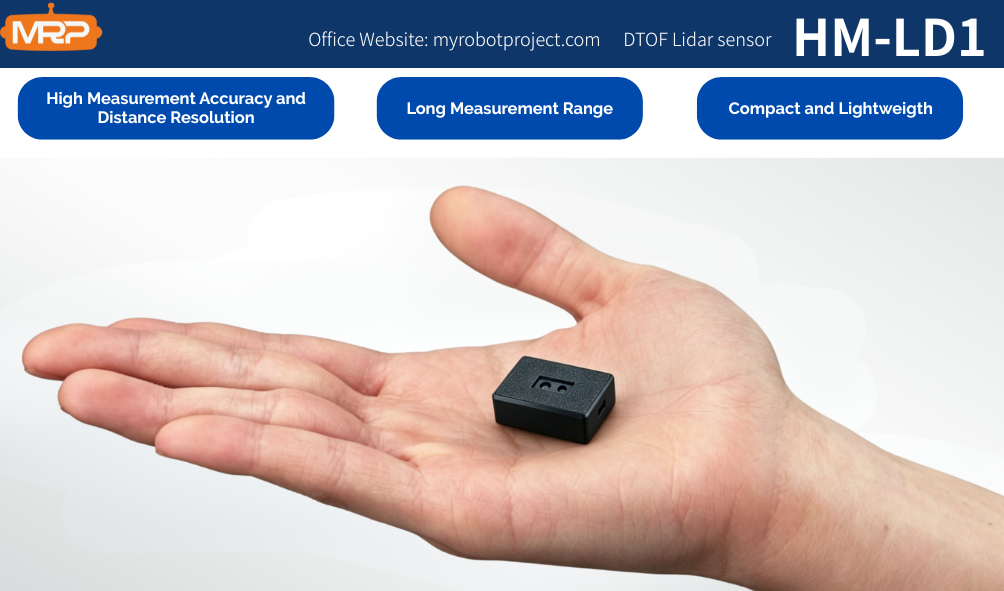
The HM-LD1 DTOF Solid state LiDAR is designed based on mature direct ToF technology, integrating a hybrid stacked SPAD sensor and a 940nm VCSEL emitter, which is the official core architecture of this product. It emits sub-nanosecond light pulses to ensure ultra-high time resolution, and the built-in dedicated circuit completes fast photon signal processing.
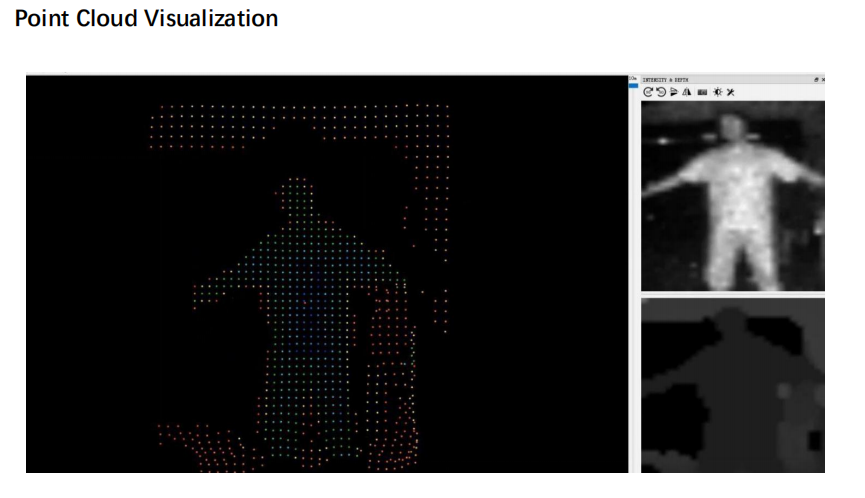
This lidar module uses an area-array architecture instead of mechanical scanning, directly outputting depth data and point cloud information without any rotating parts. This design not only reduces the failure rate but also makes the module more shock-resistant and adaptable to complex working conditions. The official parameters show that it has a resolution of 40×30 and a frame rate of 10fps, meeting the needs of real-time environmental perception for mobile devices and robots.
Superior Ranging Performance of HM-LD1 DTOF Solid state LiDAR
Ranging capability is the core indicator of a lidar product, and the HM-LD1 DTOF Solid state LiDAR performs excellently in both indoor and outdoor environments. According to official data, its indoor ranging range is 0.5m–25m, and outdoor ranging range is 0.2m–8m, which can cover most short-to-medium distance sensing scenarios.
The ranging accuracy of the HM-LD1 reaches ±3cm under standard operating conditions, and this accuracy is barely affected by the color and surface material of the target object. What’s more impressive is its strong ambient light resistance: it can work stably under up to 80,000 lux ambient light, which means it can maintain normal operation even in strong outdoor sunlight, solving the pain point that traditional sensors are easily disturbed by light.
Ultra-Compact & Lightweight Build of HM-LD1 DTOF Solid state LiDAR
For embedded devices, drones, and small robots, size and weight are critical factors. The HM-LD1 DTOF Solid state LiDAR has an ultra-compact physical design: the product size is 43.5mm×43.5mm×28.5mm, and the weight is only 28g. Such a small and light structure makes it extremely easy to integrate into devices with limited installation space, such as autonomous mobile robots, drones, and robotic dogs.
In terms of power consumption, the module operates at 5V with a power consumption of about 1.2W, which is very friendly for battery-powered mobile devices. It can work normally in the temperature range of -20℃ to 60℃, adapting to various indoor and outdoor temperature environments, ensuring stable performance in different usage scenarios.
Full Platform Compatibility of HM-LD1 DTOF Solid state LiDAR
The usability of a sensor depends largely on its compatibility and development convenience. The HM-LD1 DTOF Solid state LiDAR provides rich interfaces and cross-platform support, which greatly reduces the difficulty of secondary development.
It supports UART, UDP, and UVC communication interfaces, and is compatible with Windows, Linux, ARM, and Android operating systems. The official provides SDKs for x86 Windows, x86 Linux, and ARM Linux, allowing developers to carry out rapid development and integration on different hardware architectures. Whether it’s industrial robot development or educational research projects, it can be quickly connected and deployed.
Ideal Real-World Uses for HM-LD1 DTOF Solid state LiDAR
Thanks to its comprehensive performance advantages, the HM-LD1 DTOF Solid state LiDAR is widely used in multiple fields. The official application scenarios include robotic dogs, education and research, drones, and mobile robots.
In drone applications, its lightweight design reduces the flight load, and the outdoor ranging capability helps drones achieve obstacle avoidance and fixed-height flight; in mobile robots, it can complete map construction, obstacle detection, and cliff detection; in educational research, it provides a reliable experimental platform for 3D perception and algorithm verification; in robotic dogs, it helps realize autonomous movement and environmental interaction. Its wide applicability makes it a versatile 3D sensing module.
Why Choose HM-LD1 DTOF Solid state LiDAR Over Other Options?
When choosing a dToF solid-state lidar, many users will compare parameters, stability, and cost-effectiveness. The HM-LD1 has obvious competitive edges: first, it uses mature dToF and SPAD technology, with guaranteed accuracy and stability; second, the solid-state structure has a longer service life and lower maintenance cost; third, the compact size and low power consumption are suitable for portable and mobile devices; fourth, the complete SDK and interface support reduce development costs.
Unlike some generic lidar modules, the HM-LD1 is specially designed for robot and UAV perception and positioning, focusing on practical application scenarios, which is why it is trusted by developers and manufacturers in the industry.
Conclusion
The HM-LD1 DTOF Solid state LiDAR is a high-performance, easy-to-integrate, and widely applicable solid-state lidar module. With its direct ToF technology, SPAD high-sensitivity detection, strong light resistance, compact design, and full platform compatibility, it perfectly meets the 3D sensing needs of robots, drones, educational equipment, and other fields.
If you are looking for a reliable DTOF Solid state LiDAR product for your project, the HM-LD1 is definitely a worthy choice. For more detailed parameters and technical support, you can visit the official product page: https://myrobotproject.com/product/dtof-solid-state-lidar-hm-ld1/