Here’s the deal: in a lot of React applications, data fetching starts out harmless. You call an endpoint, stash the response, show a loading spinner, and catch the error when something breaks. That works fine until the product grows legs. Then you start seeing the same API calls copied across screens, loading flags scattered everywhere, stale cache bugs, hand-rolled refetch logic, and async thunks that nobody wants to touch on a Friday afternoon. In enterprise systems, especially robotics dashboards, GNSS and RTK monitoring tools, UAV fleet platforms, industrial IoT portals, and device configuration panels, those problems are not just code cleanup issues. They affect operator trust, field uptime, and whether the screen reflects what is actually happening in the equipment.
RTK Query is Redux Toolkit’s built-in data-fetching and caching layer. It gives teams a disciplined way to define API endpoints in one place, generate React hooks, cache responses, invalidate data after mutations, and cut down the boilerplate that used to come with handwritten Redux logic. This guide walks through when to use RTK Query, how it fits inside Redux Toolkit, how it compares with React Query, SWR, Apollo Client, and async thunks, and how enterprise teams can apply it to real industrial interfaces such as dashboards that monitor RTK positioning modules, survey receivers, drones, robots, and embedded GNSS devices.
Table of Contents
- 👉 What Is RTK Query?
- 👉 How RTK Query Fits Into Redux Toolkit
- 👉 How RTK Query Works
- 👉 When to Use RTK Query
- 👉 When Not to Use RTK Query
- 👉 RTK Query vs React Query, SWR, Apollo, and Async Thunks
- 👉 Enterprise Architecture Patterns for RTK Query
- 👉 Industrial and Robotics Use Cases
- 👉 RTK Hardware Example: Survey and UAV Positioning Modules
- 👉 RTK Query Implementation Blueprint
- 👉 Migration Strategy for Existing Redux Applications
- 👉 RTK Query Best Practices and Anti-Patterns
- 👉 FAQ
What Is RTK Query?
RTK Query is the official server-state management solution included in Redux Toolkit. It is built to fetch, cache, synchronize, and update data that comes from APIs. In plain shop-floor language, it replaces a big pile of manual Redux code that teams used to write for loading flags, error states, request actions, success actions, failure actions, cache updates, and repeated API calls.
The phrase “RTK Query” can be confusing in industrial work because “RTK” also means Real-Time Kinematic positioning, a satellite navigation technique used for centimeter-level GNSS accuracy. In this article, RTK Query means the JavaScript and Redux Toolkit data-fetching library. Still, the two worlds can meet in the same project. A dashboard that monitors RTK positioning modules, base stations, rovers, UAVs, or survey equipment may use RTK Query in its frontend architecture.
RTK Query in One Sentence
RTK Query is Redux Toolkit’s built-in tool for defining API endpoints, generating React hooks, caching server responses, deduplicating requests, and invalidating stale data after mutations.
Most frontend applications manage two broad categories of state. Client state belongs to the interface itself: selected tabs, modal visibility, active map layers, local filters, wizard steps, unsaved form edits, and temporary UI preferences. Server state comes from an external system: device lists, user accounts, survey records, telemetry summaries, alerts, correction status, calibration files, firmware metadata, and project data. RTK Query is aimed at server state. It is not supposed to replace every Redux slice or every bit of local component state. It is there to make API-backed data predictable, reusable, and easier to maintain.
RTK Query Is Not Real-Time Kinematic RTK
Real-Time Kinematic RTK is a positioning technology used in GNSS receivers to improve location accuracy with correction data. RTK Query is a frontend development tool. That distinction matters because the same abbreviation shows up in two very different conversations. A software engineer may search for “rtk query” to learn Redux Toolkit, while a robotics engineer may search for RTK devices, RTK corrections, or RTK GNSS modules.
The bridge between those meanings is modern industrial software. A UAV operations platform might fetch a receiver’s fix type, satellite count, correction age, NMEA output status, RTCM input status, UART link state, firmware version, and calibration profile from an API. RTK Query can manage that API data inside a React and Redux application, while the physical RTK GNSS hardware handles positioning in the field.
How RTK Query Fits Into Redux Toolkit
Redux Toolkit is the recommended way to write Redux logic today. It simplifies store setup, reducer creation, immutable updates, action generation, and common Redux patterns. RTK Query ships inside Redux Toolkit, so teams already using Redux Toolkit do not need to bolt on a separate data-fetching library just to get structured API caching and generated hooks.
A healthy Redux Toolkit application may still use slices for client-side state and RTK Query for server-side data. That separation is one of the most important architectural habits to get right. A slice might store the currently selected device ID, the visible map layer, the active dashboard panel, or a local form step. RTK Query should handle the data fetched from the backend for that device, map, dashboard, or form.
Redux Toolkit vs Redux Core
Redux core gives you the state container concept. Redux Toolkit gives you the modern development experience. It reduces boilerplate with utilities such as configureStore, createSlice, createAsyncThunk, and createEntityAdapter. RTK Query extends that toolkit by focusing on API communication and server-state lifecycles. Instead of writing a reducer for every request, teams define endpoints and let RTK Query generate the data-fetching hooks and manage cache behavior.
RTK Query vs createAsyncThunk
createAsyncThunk is still useful, but it sits at a lower level. It makes sense for one-off workflows, command-style actions, complex orchestration, or async behavior that is not mainly about cached server data. For example, a service workflow that performs several sequential operations, conditionally opens a report, writes to local storage, and triggers a notification may still be a good thunk.
RTK Query is usually the cleaner fit when the frontend is fetching data that should be cached, shared across components, refetched, invalidated, or updated after a mutation. Device lists, mission records, RTK correction status, firmware metadata, calibration records, and user permissions are all strong examples.
Where Slices Still Belong
Redux slices still belong in plenty of places. They are appropriate for open or closed sidebar state, selected device ID, active map layer, local filter text, form wizard step, auth session metadata, feature flags, unsaved edits, and local workflow state. In an industrial dashboard, a slice may track which robot is selected on the map while RTK Query fetches that robot’s latest API-backed details.
Where RTK Query Belongs
RTK Query belongs where the application talks to a backend service. It is well suited for fetching device inventory, loading survey records, retrieving RTK correction status, updating rover configuration, polling low-frequency health information, invalidating calibration records after upload, fetching firmware metadata, and refreshing operator permissions after an administrator changes access rules.
For organizations building industrial interfaces, useful internal planning resources may include [Internal Link: Redux Toolkit development services], [Internal Link: Robotics software integration], [Internal Link: GNSS/RTK module integration], and [Internal Link: UAV navigation solutions]. These links can guide readers toward related services or implementation pages inside a CMS.
How RTK Query Works
RTK Query works by letting developers define an API slice. That API slice describes where requests go, how endpoints are called, what data they return, how cache tags are assigned, and how mutations should invalidate existing data. RTK Query then creates a reducer, middleware, and generated hooks that can be used inside React components.
API Slice
The API slice is the central definition point for a data domain. Teams commonly create it with createApi. Inside the API slice, developers define the base query, tag types, endpoints, and cache behavior. A small application may use one API slice. A large enterprise platform may split API logic into domain-based slices such as deviceApi, missionApi, userApi, firmwareApi, calibrationApi, and rtkStatusApi. Look, the key is to avoid fragmentation. API slices should map to meaningful business domains, not individual components.
Base Query
RTK Query commonly uses fetchBaseQuery, a lightweight wrapper around the browser fetch API. It supports base URLs, headers, credentials, and request preparation. In enterprise environments, teams often customize the base query to attach authentication tokens, tenant identifiers, organization IDs, locale settings, or tracing headers.
Custom base queries are also useful for Axios, GraphQL, signed requests, token refresh, industrial gateways, edge servers, or APIs that return non-standard response structures. For example, a robot management platform may send requests through an edge gateway that aggregates data from a Jetson computer, Raspberry Pi, GNSS receiver, and cloud service. RTK Query can communicate with the gateway API while the gateway handles hardware-specific protocols.
Endpoints
Endpoints are the operations defined inside the API slice. Query endpoints read data, while mutation endpoints write or command data. In a robotics or RTK monitoring application, endpoint names might include getDevices, getDeviceById, getRtkStatus, getCorrectionStatus, updateDeviceConfig, uploadCalibrationFile, restartReceiver, pairRoverWithBase, and downloadSurveyReport.
The endpoint layer becomes a shared contract for the frontend team. Instead of each component inventing its own fetch call, request URL, error handling, and loading flags, the application uses generated hooks from a consistent API definition. That may sound simple, but in a large product it saves real time and prevents a lot of avoidable defects.
Generated Hooks
In React applications, RTK Query can generate hooks such as useGetDevicesQuery, useGetDeviceByIdQuery, useGetRtkStatusQuery, and useUpdateDeviceConfigMutation. These hooks return useful request state including data, error, isLoading, isFetching, isSuccess, isError, and refetch.
The difference between isLoading and isFetching is especially useful in dashboard design. isLoading usually represents the first request when no data is available yet. isFetching can represent a background refresh when existing cached data is already visible. This allows interfaces to avoid unnecessary blank screens while still communicating that fresh data is being retrieved.
Cache Keys and Request Deduplication
RTK Query caches data based on the endpoint name and serialized endpoint arguments. If multiple components request the same endpoint with the same arguments, they can share the same cached result. This helps prevent duplicate network requests and reduces inconsistent behavior across large applications.
For example, a fleet summary panel, a map sidebar, and a device detail drawer may all need information about the same RTK rover. With manual fetching, each component might call the backend independently. With RTK Query, those components can share cache entries when their endpoint arguments match.
Tags and Invalidation
Tags are one of RTK Query’s most important enterprise features. Query endpoints can provide tags, and mutation endpoints can invalidate tags. When a mutation invalidates a tag, RTK Query knows which cached data may be stale and can refetch it when appropriate.
In the shop, this is where RTK Query starts paying for itself. Updating a rover configuration may invalidate Device and Configuration tags. Uploading calibration data may invalidate Calibration and DeviceStatus tags. Adding a survey mission may invalidate Mission and SurveyRecord tags. Changing a base station may invalidate CorrectionStatus. A disciplined tag strategy prevents stale UI without forcing full-page reloads or manually editing multiple reducers.
Polling and Refetching
RTK Query supports polling and refetch behavior that can be valuable in dashboards. Low-frequency status data such as online state, firmware version, battery level, RTK fix type, correction age, or current mission state can often be refreshed through polling. Refetch-on-reconnect is useful for field networks where connectivity may drop. Refetch-on-focus is useful when operators return to a browser tab after working elsewhere.
High-frequency telemetry is different. Robot pose streams, LiDAR data, raw GNSS observations, camera feeds, ROS topics, and real-time control loops should usually use WebSocket, MQTT, gRPC streaming, ROS bridge, or specialized time-series infrastructure. Professional GNSS vendors such as CHC Navigation show how mature RTK ecosystems often combine hardware receivers, correction services, field controllers, and software platforms. RTK Query can support the management interface around these systems, but it should not be forced into responsibilities better handled by streaming infrastructure.
When to Use RTK Query
RTK Query is most valuable when an application already uses Redux Toolkit, has repeated API logic, requires predictable cache invalidation, and needs consistent behavior across many screens and contributors. It is not just a convenience tool. In large teams, it becomes an architectural control point for data access.
Use RTK Query When Your App Already Uses Redux Toolkit
✅ If Redux Toolkit is already part of your frontend architecture, RTK Query is often the natural next step for server-state management. It integrates with the Redux store, works with Redux middleware, and can be inspected with Redux DevTools. Teams do not need to introduce a second state ecosystem unless there is a specific reason to do so.
Use RTK Query When API Logic Is Repeated
✅ Common symptoms include repeated useEffect fetch logic, duplicate loading and error states, manual reducers for every endpoint, stale data bugs, multiple components calling the same endpoint independently, and unclear refetch rules. These problems become worse as the number of devices, users, reports, permissions, and dashboard panels grows.
Use RTK Query When Cache Invalidation Matters
✅ Cache invalidation matters whenever a mutation should affect existing reads. In industrial systems, this happens constantly. A device configuration changes. A calibration profile is updated. A firmware version is refreshed. A survey record is uploaded. A rover and base station pairing is modified. Operator permissions change. RTK Query gives teams a structured way to describe which data becomes stale after each operation.
Use RTK Query for Enterprise Dashboard Consistency
✅ Enterprise dashboards usually involve many modules and contributors. A strong RTK Query implementation can provide shared API contracts, predictable cache rules, centralized authentication handling, consistent error states, easier debugging with Redux DevTools, reduced frontend boilerplate, and faster onboarding. For industrial software teams, this consistency is just as important as the code reduction.
When Not to Use RTK Query
RTK Query is powerful, but it is not the right answer for every application. A balanced architecture should recognize where it fits and where another tool or pattern may be simpler.
Small Apps Without Redux
For very small applications that do not already use Redux, adding Redux Toolkit solely to use RTK Query may be unnecessary. A simple fetch call, SWR, or React Query may be easier. The decision should consider the expected growth of the application, the number of API domains, team size, and whether centralized state management is already justified.
High-Frequency Streaming Telemetry
RTK Query can poll, but polling is not the same as streaming. For robot pose updates, LiDAR feeds, real-time video, ROS topic streams, high-rate GNSS observations, or closed-loop control interfaces, use streaming infrastructure. RTK Query can still manage metadata, configuration, device inventory, and status snapshots around those streams.
Complex Offline-First Applications
RTK Query helps with caching, but it does not automatically solve full offline synchronization, conflict resolution, local persistence, or field-device synchronization. Applications used in remote survey environments may need dedicated offline storage, sync queues, conflict strategies, and audit logs.
Applications Built Around Another Data Layer
If an enterprise application already standardizes on Apollo Client, Relay, React Query, or a domain-specific SDK, RTK Query may duplicate responsibilities. Migration should be justified by measurable benefits such as reduced boilerplate, better Redux integration, improved cache behavior, or easier team governance.
RTK Query vs React Query, SWR, Apollo, and Async Thunks
RTK Query competes in the broader server-state management space, but each alternative has a different center of gravity. The best choice depends on architecture, not trend popularity.
RTK Query vs React Query
React Query is excellent for React applications and does not require Redux. It is often a great choice when an application needs powerful server-state management but does not need a Redux store. RTK Query is more natural when Redux Toolkit is already a standard part of the architecture. It integrates with Redux middleware, Redux DevTools, and existing store configuration.
RTK Query vs SWR
SWR is lightweight and effective for stale-while-revalidate behavior. It works well for applications that need simple data fetching with a minimal mental model. RTK Query provides a more structured enterprise approach for Redux-based applications, especially when teams need endpoint definitions, mutations, tag invalidation, middleware integration, and centralized auth handling.
RTK Query vs Apollo Client
Apollo Client is specialized for GraphQL. It provides a rich GraphQL ecosystem, normalized caching, fragments, schema-aware tooling, and subscription patterns. RTK Query can work with GraphQL through custom base queries, but it does not replace Apollo’s GraphQL-specific developer experience. For REST-heavy industrial APIs, device gateways, firmware services, and file upload workflows, RTK Query may be a more direct fit.
RTK Query vs createAsyncThunk
createAsyncThunk gives teams lower-level control but requires manual decisions around caching, loading flags, error handling, stale data, and invalidation. RTK Query handles those concerns more directly for API-backed server state. Many applications use both: RTK Query for standard API data and thunks for special workflows that do not map cleanly to query or mutation lifecycles.
| Tool | Best For | Strength | Tradeoff |
|---|---|---|---|
| RTK Query | Redux Toolkit applications | Centralized API logic, cache invalidation, generated hooks | Most valuable when Redux is already part of the architecture |
| React Query | React apps without Redux | Excellent server-state management | Separate from Redux state and tooling |
| SWR | Lightweight data fetching | Simple stale-while-revalidate behavior | Less structured for large enterprise API domains |
| Apollo Client | GraphQL-heavy applications | Rich GraphQL cache and schema ecosystem | Less natural for REST-heavy industrial APIs |
| createAsyncThunk | Custom Redux async workflows | Maximum control | Manual cache and status management |
Enterprise Architecture Patterns for RTK Query
Enterprise teams should treat RTK Query as more than a hook generator. It becomes part of the application’s data governance model. The way teams define API domains, authentication, error handling, cache keys, and testing strategy will determine whether RTK Query stays clean at scale.
Domain-Based API Slices
✅ Domain-based API slices can help large applications stay organized. Common examples include deviceApi, missionApi, userApi, firmwareApi, calibrationApi, and rtkStatusApi. Over-splitting can create unnecessary complexity, though. A good rule is to split by stable business capability, not by individual screen or component.
Authentication and Token Refresh
✅ Enterprise APIs usually require authentication. RTK Query can attach tokens through prepareHeaders when using fetchBaseQuery. More advanced applications may use a custom base query wrapper to detect expired tokens, refresh credentials, and retry the original request. Centralizing this behavior prevents each endpoint or component from inventing its own auth logic.
Error Normalization
✅ Industrial software should not render every failure as “Something went wrong.” Error categories should be normalized into predictable frontend shapes such as network unavailable, permission denied, validation failed, device offline, correction stream unavailable, firmware mismatch, and unknown server error. This is especially important when operators need to decide whether to retry, contact support, inspect hardware, or stop a field operation.
Role-Based Data Access
✅ Many industrial platforms support operator, administrator, service engineer, distributor, and customer roles. RTK Query can help centralize API behavior, but the backend remains responsible for enforcing access control. The frontend should display clear permission states and avoid offering actions that a user cannot perform.
Multi-Tenant and Multi-Site Systems
✅ Cache keys must include tenant, site, organization, fleet, or project identifiers when those values affect returned data. Without careful endpoint arguments, one user’s cached data may appear in the wrong context. This is particularly important for distributor portals, multi-fleet robotics platforms, and survey systems that manage multiple construction sites or mapping projects.
Observability and Debugging
✅ RTK Query integrates well with Redux DevTools, which helps developers inspect query states, cache entries, and mutation behavior. Enterprise teams should also consider request logging, tracing IDs, API latency tracking, server correlation IDs, and structured error reporting. Observability is essential when a dashboard depends on cloud services, edge gateways, and physical devices in unpredictable field environments.
Testing Strategy
✅ A mature testing strategy may include Mock Service Worker for API mocking, endpoint tests for request behavior, component tests with a configured store, contract testing against backend schemas, error-state testing, and cache invalidation testing. The goal is not only to prove that data appears on the screen, but also to confirm that stale data is refreshed when important mutations occur.
Industrial and Robotics Use Cases
RTK Query is a software library, but its value becomes very concrete in industrial systems. Robotics, UAV, GNSS, and embedded platforms usually combine frontend dashboards, backend APIs, edge gateways, field devices, and physical sensors. A clean data-fetching layer helps the frontend present this information reliably.
GNSS and RTK Monitoring Dashboards
A GNSS and RTK monitoring dashboard may display fix type, satellite count, horizontal accuracy, vertical accuracy, correction age, base or rover mode, RTCM input status, NMEA output status, UART link status, antenna state, and firmware version. The dashboard might use RTK Query for low-frequency status snapshots and configuration records, while a streaming channel handles high-rate observations. For readers researching positioning technology, Real-Time Kinematic positioning explains the GNSS meaning of RTK.
UAV and Autonomous Vehicle Control Panels
UAV control panels often need mission records, route uploads, device health, battery state, positioning status, camera payload metadata, and post-mission logs. RTK Query can provide a consistent API layer for fetching mission lists, updating route assignments, refreshing firmware metadata, and showing receiver status before takeoff.
Surveying and Mapping Portals
Surveying portals may manage project records, operators, site data, positioning logs, correction service status, base station details, rover history, and downloadable reports. RTK Query is useful because many screens share the same data. A project page, report page, and operator dashboard may all depend on the same survey records and device status.
Robotics Fleet Management
Robotics fleet management systems commonly track multiple robots, device health, GNSS module configuration, alerts, remote reboot actions, firmware versions, and mission assignments. RTK Query can manage server-backed state such as robot inventory, current configuration profiles, and alert acknowledgements. Streaming systems can handle live pose data or sensor feeds.
Embedded Device Configuration Interfaces
Embedded device panels may expose UART-connected modules, baud-rate configuration, protocol settings, NMEA message selection, RTCM correction input, and factory defaults. A browser does not usually talk directly over TTL UART. Instead, an edge controller or backend service communicates with the hardware and exposes an API. RTK Query then talks to that API to read and update configuration.
Relevant internal resources for this kind of project may include [Internal Link: RTK GNSS modules for robotics and UAVs], [Internal Link: Robot navigation and positioning solutions], and [Internal Link: UAV mapping and survey applications].
RTK Hardware Example: Survey and UAV Positioning Modules
Although RTK Query is a frontend data-fetching library, many industrial teams use similar application architectures to manage real RTK positioning hardware. A robotics or UAV dashboard may fetch receiver status, update configuration profiles, display NMEA-derived coordinates, monitor RTCM correction availability, or show hardware specifications for field engineers. The following RTK modules are examples of positioning devices that could appear inside such an enterprise system.
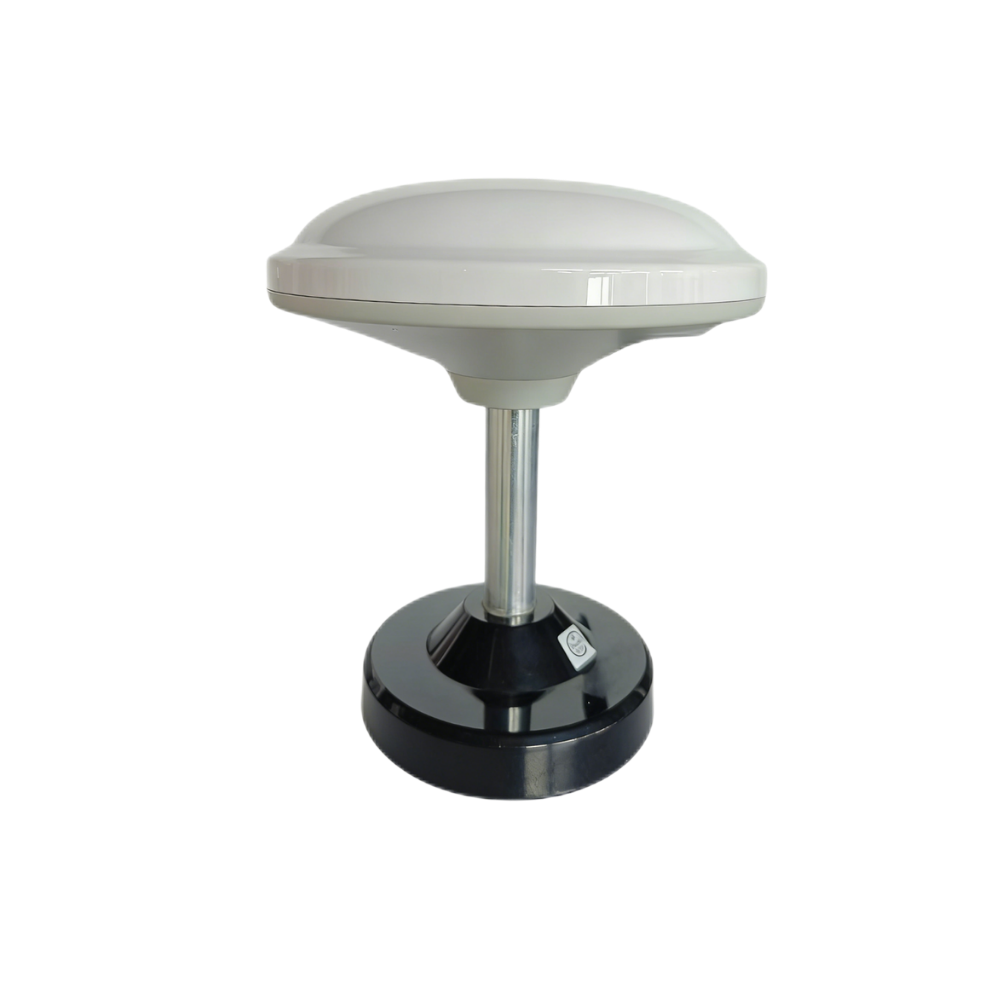
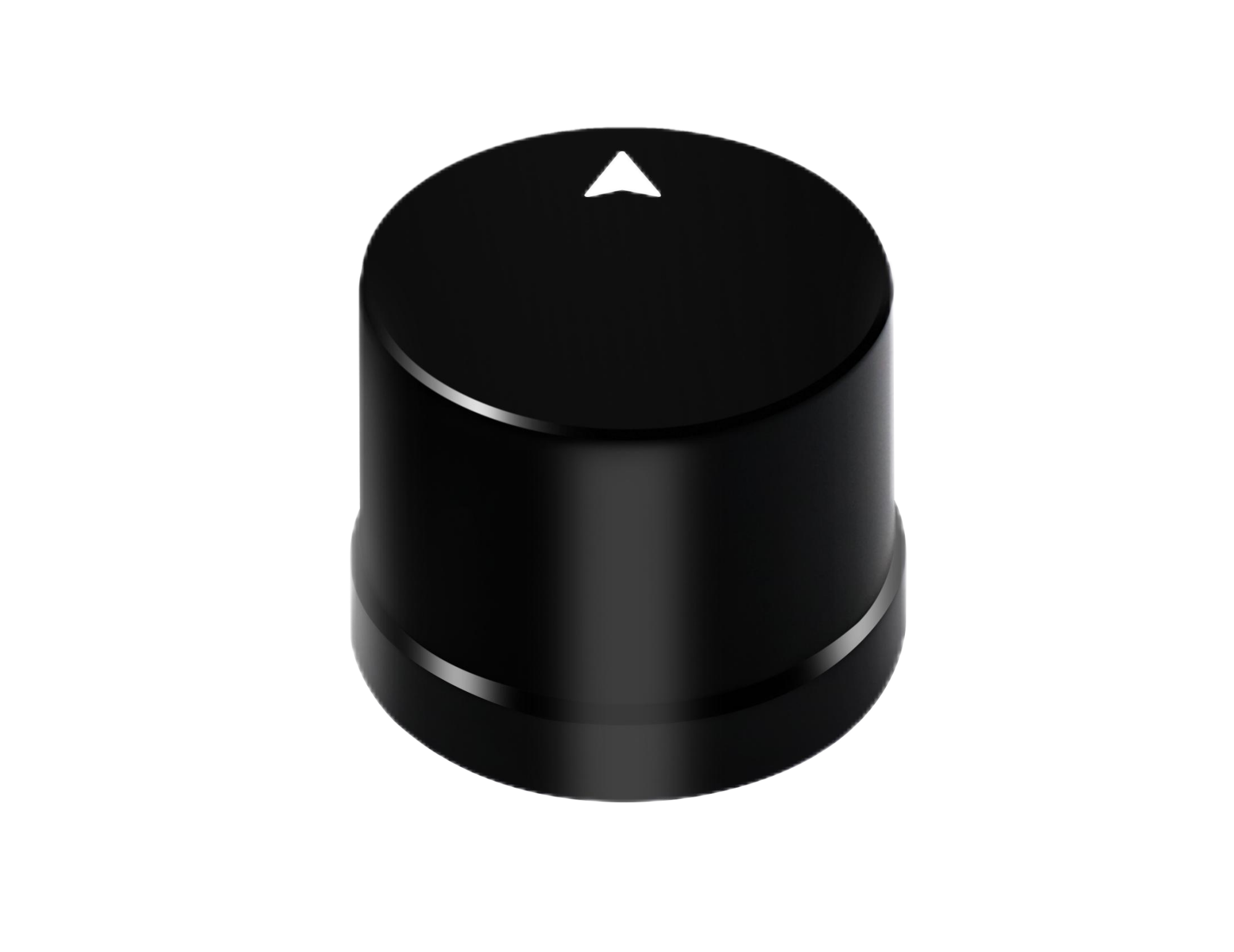
| Specification |
Multiband RTK Survey Module HM-D13 |
Helical Antenna RTK Module HM-D20 |
|---|---|---|
| Product Image |
|
|
| Frequency Band | GPS L1/L5, Beidou B1/B2A/B2I, Galileo E1/E5, QZSS L1/L5, GLONASS G1, IRNSS | GPS L1/L5, BeiDou B1/B2A/B2I, GLONASS G1, Galileo E1/E5, QZSS L1/L5, IRNSS L5 |
| RTK Position Accuracy | H: 1cm + 1ppm, V: 1.5cm + 1ppm | H: 1cm + 1ppm, V: 1.5cm + 1ppm |
| Protocol | NMEA 0183 output and RTCM input at rover side. RTCM output at base side. | NMEA 0183 output and RTCM input at rover side |
| Baud Rate | 115200 bps | 115200 bps |
| Dimensions | Φ152*67.9mm | Φ44*37mm |
| Weight | <550 g | Not specified |
| Interface | TTL level UART interface | TTL level UART interface |
| Timing Synchronization Accuracy | 20ns | 20ns |
| Operating Temperature | -40 ℃ – 85 ℃ | -40 ℃ – 85 ℃ |
| Antenna / Gain | Integrated module and antenna design | L1 and L5 GNSS antenna system, at least 40db high gain |
| Waterproof / Outdoor Protection | UV-resistant PC material; windproof and rainproof outdoor design | IP67 waterproof design |
| Optional Features | Supports optional 4G radio module | Integrated GNSS module and antenna; no external antenna required |
| Typical Applications | Professional surveying, mapping, UAV navigation, robotics, outdoor positioning | UAVs, unmanned vehicles, ships, agriculture, logistics, robotics, mapping |
HM-D13: Multiband Survey and UAV Positioning Example
The Multiband RTK Survey Module HM-D13 is designed for multi-system positioning and stable centimeter-level accuracy. It supports GPS L1/L5, Beidou B1/B2A/B2I, Galileo E1/E5, QZSS L1/L5, GLONASS G1, and IRNSS. Its listed RTK positioning accuracy is H: 1cm + 1ppm and V: 1.5cm + 1ppm. The module uses NMEA 0183 output and RTCM input at the rover side, with RTCM output at the base side. It operates at a baud rate of 115200 bps and uses a TTL level UART interface.
The HM-D13 integrates the module and antenna in an all-in-one design. This integrated structure helps support stable signal reception and precise positioning. Its dimensions are Φ152*67.9mm, and its weight is listed as <550 g. Timing synchronization accuracy is 20ns, and the operating temperature range is -40 ℃ – 85 ℃. The product is made with UV-resistant PC material for long-term outdoor use and is described as windproof and rainproof. It also supports an optional 4G radio module. In a frontend dashboard, RTK Query could help surface HM-D13 status, survey logs, NMEA-derived position records, RTCM correction availability, and configuration metadata.
View Product Details & Pricing ➔
HM-D20: Compact Helical Antenna RTK Module Example
The Helical Antenna RTK Module HM-D20 is a compact integrated GNSS module and antenna designed for UAVs, unmanned vehicles, ships, agriculture, logistics, robotics, and mapping systems. It supports GPS L1/L5, BeiDou B1/B2A/B2I, GLONASS G1, Galileo E1/E5, QZSS L1/L5, and IRNSS L5. Its RTK positioning accuracy is listed as H: 1cm + 1ppm and V: 1.5cm + 1ppm. The module supports NMEA 0183 output and RTCM input at the rover side, uses a 115200 bps baud rate, and provides a TTL level UART interface.
The HM-D20 is physically compact, with dimensions of Φ44*37mm. It includes a L1 and L5 GNSS antenna system with at least 40db high gain. Timing synchronization accuracy is 20ns, and the operating temperature range is -40 ℃ – 85 ℃. It is listed as IP67 waterproof and is built for moisture resistance and harsh weather conditions. Because the GNSS module and antenna are integrated, it can be used without an external antenna. In software systems, an RTK Query API layer could manage HM-D20 module inventory, RTK status, UART settings, correction input state, firmware metadata, and survey device health.
View Product Details & Pricing ➔
How RTK Query Could Manage RTK Device Data
A dashboard for these modules might define endpoints such as getRtkModules, getModuleSpecs, getCorrectionStatus, updateUartSettings, getSurveyPositionLogs, restartRover, downloadCalibrationReport, and uploadConfigurationProfile. Query endpoints could fetch module details and correction status, while mutation endpoints could update configuration, upload calibration files, or restart a receiver through a backend gateway. Tags such as Device, Configuration, Calibration, CorrectionStatus, Firmware, and SurveyRecord could keep related screens synchronized after changes.
RTK Query Implementation Blueprint
A successful RTK Query rollout should begin with a clear domain and a disciplined endpoint design. The goal is not to convert every async operation immediately. The goal is to create a reliable pattern that the team can repeat without arguing about data-fetching style every sprint.
Step 1: Define the API Slice
⚙️ Start with one domain, such as devices, missions, users, or survey records. Define the base URL, tag types, and endpoint naming conventions. For an industrial system, the first domain might be device inventory because many screens depend on it and it is usually easier to validate than high-frequency telemetry.
Step 2: Add the API Reducer and Middleware
⚙️ RTK Query must be connected to the Redux store. The API reducer stores cache state, and the middleware manages request lifecycles, subscriptions, invalidation, polling, and cache cleanup. This setup is usually small, but it is essential.
Step 3: Create Query Endpoints
⚙️ Query endpoints should represent read operations. Examples include device list, device detail, RTK status, correction status, survey records, firmware metadata, calibration records, and user permissions. Keep endpoint names readable and aligned with domain language used by both frontend and backend teams.
Step 4: Create Mutation Endpoints
⚙️ Mutation endpoints represent writes or commands. Industrial examples include update configuration, upload calibration, restart device, assign mission, pair rover with base station, acknowledge alert, or change operator access. Each mutation should define which tags it invalidates so related data can refresh predictably.
Step 5: Add Tags and Invalidation
⚙️ Useful tag types may include Device, Mission, Calibration, Firmware, CorrectionStatus, SurveyRecord, User, and Configuration. Avoid invalidating everything after every mutation. Broad invalidation is simple at first, but it can create unnecessary network traffic and make performance harder to reason about.
Step 6: Handle Polling and Refetch Policies
⚙️ Use polling for low-frequency status, refetch on reconnect for unreliable field networks, and refetch on focus for administrative dashboards. Avoid aggressive polling for sensor streams. If the data changes many times per second, use streaming or time-series infrastructure instead.
Step 7: Standardize Error and Loading UI
⚙️ Enterprise teams should create shared UI components for loading skeletons, empty states, permission errors, device offline warnings, retry panels, validation messages, and stale-data indicators. The technical value of RTK Query increases when the user experience around loading and errors is also consistent.
Migration Strategy for Existing Redux Applications
Migrating to RTK Query should be incremental. Large rewrites create risk, especially in enterprise and industrial systems where dashboards may support operators, field engineers, distributors, and customers. Nobody wants a cache migration to become the reason a field team cannot see device status.
Start With One API Domain
⚙️ Choose one stable domain where current data-fetching code is painful but not dangerously complex. Device inventory, user lists, firmware metadata, or survey records are often good candidates. Avoid starting with the most complex real-time screen.
Replace Repeated Fetch Logic Gradually
⚙️ Do not rewrite everything at once. Convert repeated useEffect fetches, duplicate thunks, and manually maintained loading flags domain by domain. Keep old and new approaches side by side temporarily if needed, but document which pattern owns each endpoint.
Keep Existing Slices for Client State
⚙️ Do not move local UI state into RTK Query simply because RTK Query is new. Selected IDs, active tabs, map layer visibility, modal state, and unsaved edits still belong in slices or local component state. RTK Query should own server-backed data.
Validate Cache Behavior Before Expanding
⚙️ Before migrating more domains, test invalidation, refetching, permissions, error rendering, and stale data behavior. Confirm that mutations refresh the right screens without causing unnecessary network activity. Industrial users rely on accurate dashboard states, so cache behavior must be trustworthy.
Document Endpoint Ownership
⚙️ Enterprise teams should assign ownership by module or domain. Documentation should explain endpoint names, tag strategy, error conventions, auth behavior, and testing expectations. This reduces architectural drift as more developers contribute.
RTK Query Best Practices and Anti-Patterns
The difference between a clean RTK Query implementation and a messy one usually comes down to boundaries. Teams should design around domains, use tags intentionally, separate server state from UI state, and avoid turning RTK Query into a dumping ground for every async behavior.
Best Practice: Design Around API Domains
✅ Group endpoints by business capability, not by component. A device detail page, map sidebar, and alert panel may all use device data. If each component owns its own API logic, cache behavior becomes fragmented. Domain-based design makes data reuse easier.
Best Practice: Use Tags Intentionally
✅ Tags should reflect real entities and relationships. Device, Mission, Calibration, Firmware, CorrectionStatus, and SurveyRecord are meaningful. Invalidating every tag after every mutation is easy but inefficient. Precise invalidation keeps the UI fresh without excessive refetching.
Best Practice: Keep Transform Logic Predictable
✅ transformResponse can clean up inconsistent responses, normalize values, or extract nested payloads. Use it carefully. If transformation logic becomes too complex, consider whether the backend contract should be improved or whether a dedicated adapter layer is needed.
Best Practice: Separate Server State From UI State
✅ Server-backed data should usually live in RTK Query. Local workflow state should usually live in slices or components. Mixing these concerns makes the architecture harder to understand and can lead to unnecessary API coupling.
Anti-Pattern: Polling High-Rate Sensor Data
⚠️ Polling high-rate sensor data through RTK Query is usually the wrong approach. Use WebSocket, MQTT, gRPC streaming, ROS bridge, or a time-series service for live telemetry. RTK Query is better for metadata, snapshots, configuration, records, and lower-frequency status.
Anti-Pattern: Creating API Slices Per Component
⚠️ Creating an API slice for every component fragments cache behavior and makes maintenance harder. Components should consume domain endpoints. They should not define isolated data layers unless there is a strong architectural reason.
Anti-Pattern: Ignoring Error States
⚠️ Industrial dashboards must clearly distinguish between API failure, device offline, stale correction data, permission denial, validation errors, and firmware mismatch. A generic error message may be acceptable in a demo, but it is not enough for field operations.
FAQ
Is RTK Query part of Redux Toolkit, or do I still need Redux separately?
Should a large enterprise React project use RTK Query or React Query?
Is migrating to RTK Query worth the effort?
What problem does RTK Query actually solve?
Can RTK Query be used for real-time dashboards?
Does RTK Query replace Redux slices?
Can RTK Query work with authentication and token refresh?
Is RTK Query suitable for GraphQL?
How should RTK Query handle errors in enterprise applications?
How does RTK Query help with cache invalidation?
Can RTK Query be used with embedded systems, robotics, or GNSS devices?
What is the best way to introduce RTK Query to a development team?
📚 References & Further Reading
- Industry Standard: CHC Navigation and Real-Time Kinematic positioning
- Related Guide: [Internal Link: GNSS/RTK module integration]