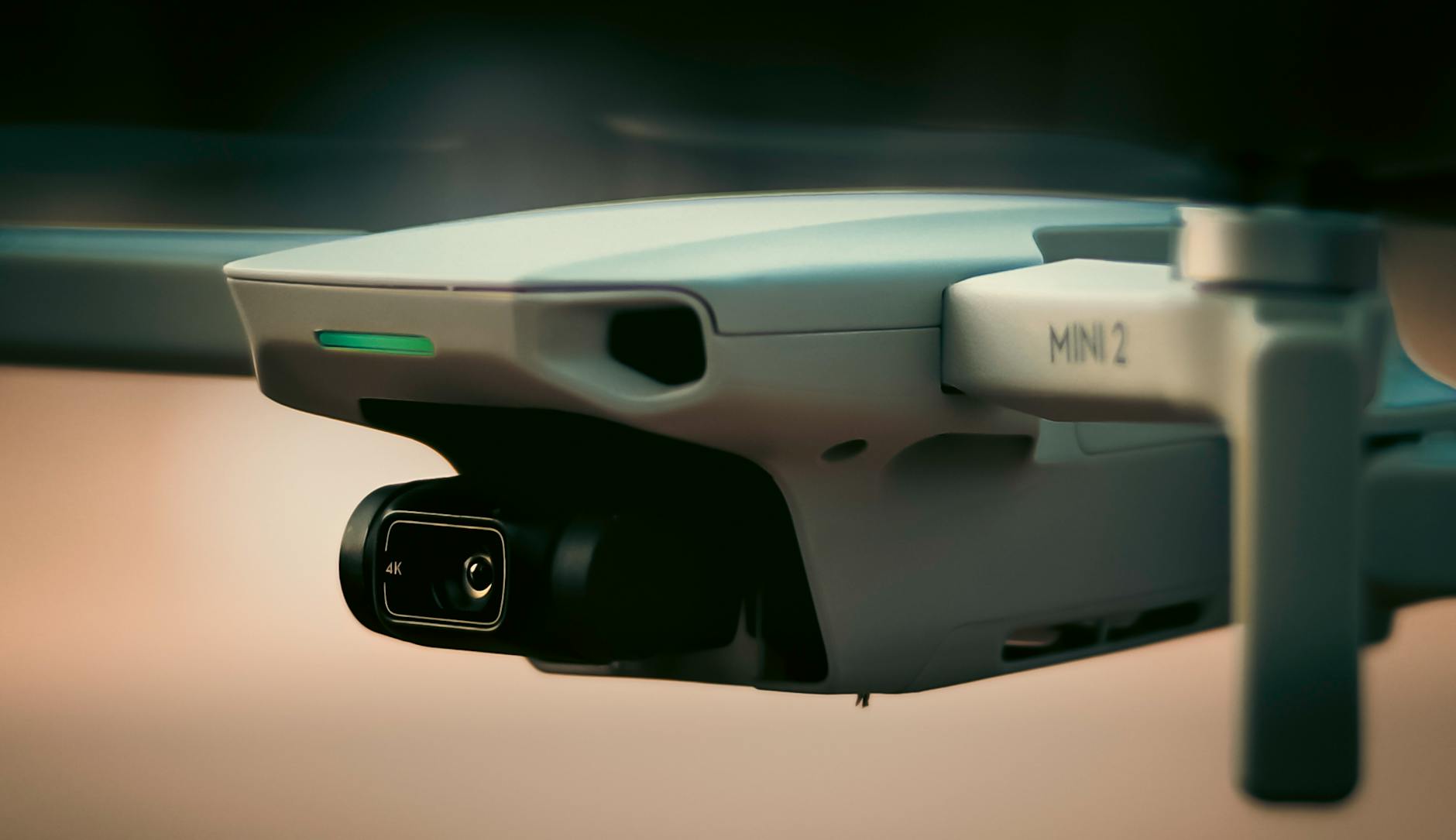
5 ways uav thermal imaging camera slashes search costs
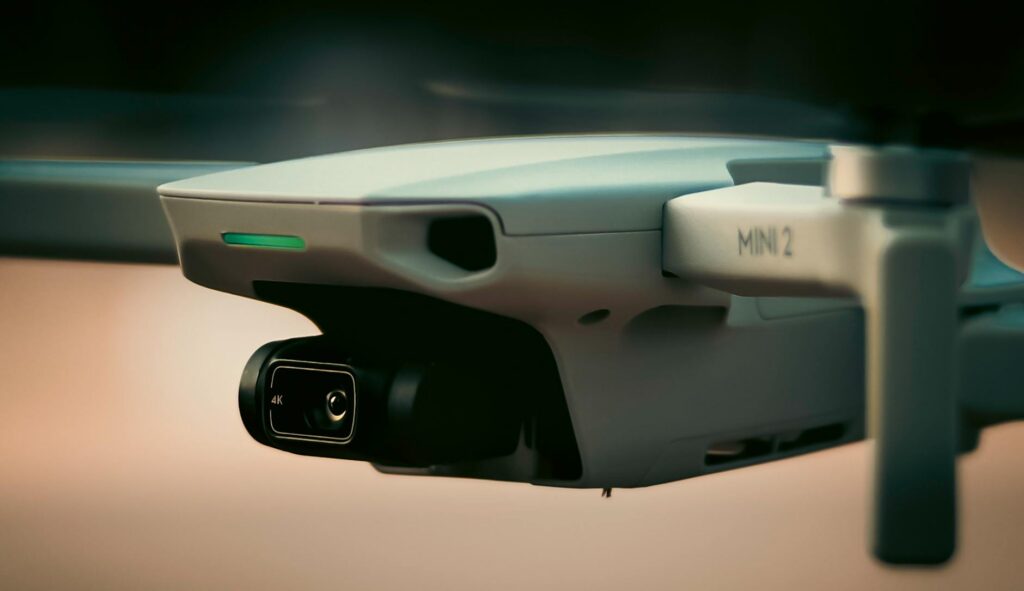
Look, if you are still relying on massive ground crews to sweep a rugged site, you are basically burning cash. In high-stakes industrial inspections and search and rescue, time is not just money—it is the razor-thin margin between success and total failure. Traditional ground-based methods are slow, labor-heavy, and frankly, they make operational budgets balloon faster than they should. That is why a uav thermal imaging camera has become the ultimate game-changer for B2B enterprises and emergency teams.
By ditching the “boots on the ground” approach for high-precision aerial thermography, you can hit an ROI that actually looks good on a balance sheet. From my years working with global distributors, the real hurdle isn’t the tech; it is getting people to see how a uav thermal imaging camera pays for itself through long-term savings. We are talking about cutting personnel hours and saving expensive gear in GPS-denied zones.
So, how does a uav thermal imaging camera actually keep your money in your pocket? Here are five ways this technology slashes search costs while making sure your mission actually succeeds.
1. Ending the “sunset shutdown” with night vision drone technology
To be honest, most traditional search ops just stop when the sun goes down. Trying to find a gas leak or a missing person in the pitch black with flashlights is like looking for a needle in a haystack—while blindfolded. This downtime is a massive waste of resources and spikes your labor costs because everything takes three times longer.
When you bring in night vision drone technology, you keep the mission running 24/7. Unlike standard cameras that need light to bounce off things, a uav thermal imaging camera picks up the heat signatures coming off objects. This makes the darkness completely irrelevant to your success rate.
I have seen missions that used to take three full days get wrapped up in a single night shift. The bottom line is that keeping a “persistent eye in the sky” overnight cuts your mission timeline by about 60%. That is a lot of overtime pay you no longer have to fork out.
2. Covering massive ground with an aerial infrared sensor
The scale of modern industrial sites is just too big for humans to walk. An aerial infrared sensor mounted on a drone can scan more ground in thirty minutes than a ground crew can in a whole shift. When you look at the math—the hourly rate of twenty technicians versus one drone pilot—the winner is obvious.
UAVs fly right over forests, rocky cliffs, and swamps that would take hours for a person to crawl through. In my experience, the speed of a uav thermal imaging camera lets you re-scan areas multiple times just to be sure, without adding extra days to the project. Professional pilots call this maximizing the “Acquisition Swath”—basically clearing hectares of land in a single battery cycle.
Moving from a 20-person team to a 2-person flight crew is a massive win for your logistics. Fewer trucks, less food, and way lower insurance liabilities. If you are looking for parts to build your own, you can find Affordable Infrared Thermal Imaging Cameras to get your fleet off the ground.
| Feature | Traditional ground search | UAV thermal imaging camera search |
|---|---|---|
| Search Speed | 1-2 km/h (walking) | 30-50 km/h (flight) |
| Night Operations | Extremely limited/Dangerous | Full 24/7 capability |
| Personnel Required | 10-20 people | 1-2 people |
| Terrain Obstacles | High impact/Slows search | Zero impact/Flies over |
3. Using a multispectral payload for multi-tasking
One of the biggest money pits is having to fly the same area twice. Once for a visual check and again for thermal data. That is just inefficient. Using a multispectral payload lets you grab thermal, RGB, and zoom data all at the same time. This is the gold standard for high-precision aerial navigation.
We usually suggest tri-light gimbals that put thermal and visual sensors in one unit. It lets the pilot flip between views instantly to verify a heat signature without having to land or swap gear. The Visio tri-light gimbal is a prime example of this “all-in-one” tech that makes your uav thermal imaging camera setup versatile for any job.
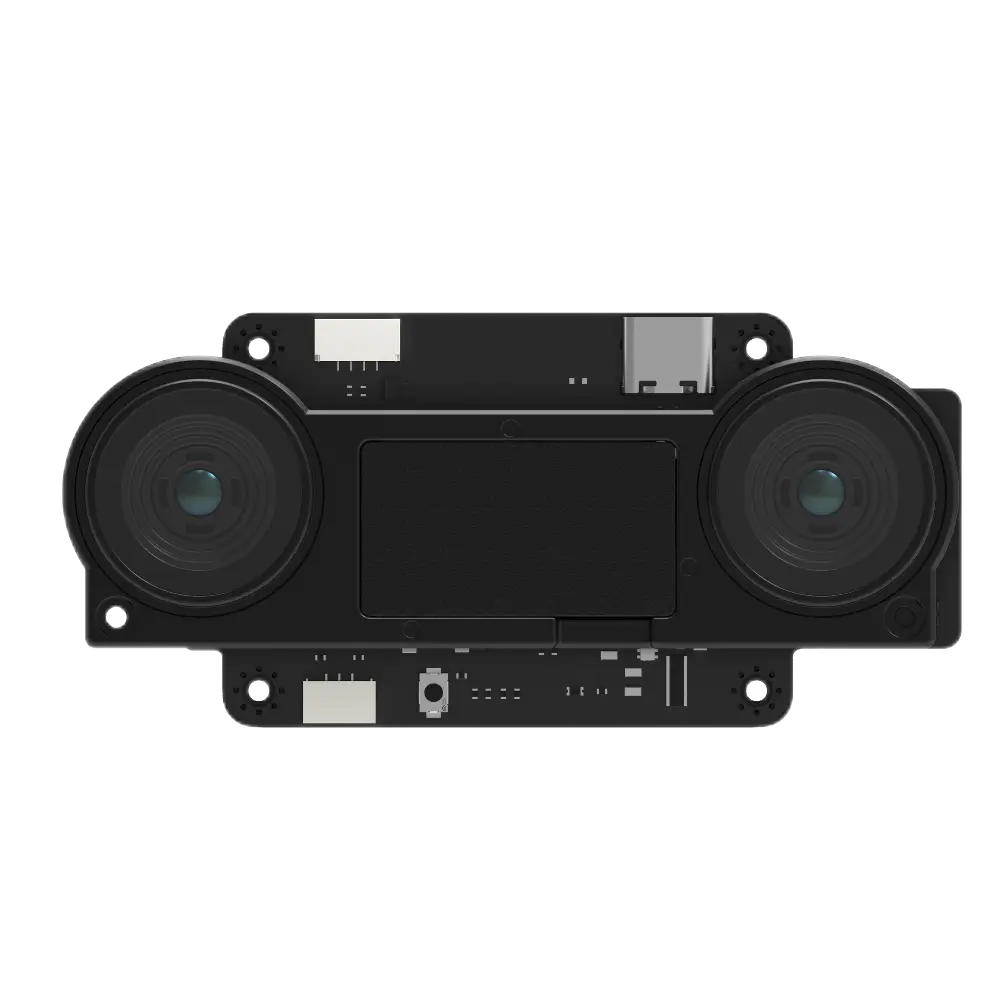
Think about the maintenance costs, too. Maintaining three drones for three different sensors is a nightmare. One integrated multispectral payload cuts the weight, saves the batteries, and lowers your “Total Cost of Ownership.” You can also Shop Thermal Camera Payloads for Drones to see how these integrated units stack up.
4. Precision rescue mission optics in tough environments
In the real world, GPS fails. Urban canyons, thick trees, or signal jamming can make a drone go haywire. High-quality rescue mission optics paired with visual positioning keep your expensive gear from crashing. A “flyaway” or a crash can cost you tens of thousands of dollars in an instant.
When your uav thermal imaging camera is your priciest asset, you have to protect it. GPS-denied systems use computer vision to “see” the ground and stay stable even when satellites are blocked. For missions in these messy environments, the AP-SG system is basically an insurance policy built into your hardware.
Good rescue mission optics also help you tell the difference between a person and a sun-warmed rock. I tell clients all the time: lens quality is just as vital as resolution. You need to cut out “False Positives” because every time you send a team to check a warm rock, you are wasting money. A pro-grade uav thermal imaging camera gives you the clarity to skip the distractions.
5. Cutting data costs with edge AI
Capturing data is easy; paying a guy to watch 10 hours of video is the expensive part. Traditionally, you’d record everything and review it later. A modern uav thermal imaging camera backed by Edge AI does the analysis in real-time, right there in the air.
By using high-performance development boards, you can run AI algorithms on the drone. The AI scans the thermal feed and only pings the pilot when it finds a human or a specific industrial leak. Here is the kicker: offloading that work to the “Edge” eliminates the need for expensive post-processing software and hours of manual review.
In the industry, we call this the “Sensor-to-Decision” pipeline. By cutting the time it takes for a uav thermal imaging camera to give you a real answer, you speed up everything. Whether you are stopping a fire before it starts or finding a hiker in the “golden hour,” speed equals major savings.
To better understand uav thermal imaging camera technology and its applications, this video tutorial is highly recommended:
Frequently asked questions (FAQ)
How does a thermal drone find people in thick forests?
Thermal sensors look for long-wave infrared radiation (heat). This heat slips through small gaps in the leaves that visual cameras just can’t see. Even if someone is mostly hidden, a solid uav thermal imaging camera will show them as a bright “glow” against the cooler trees.
What is the actual range of a uav infrared camera?
It depends on your lens. With a high-end uav thermal imaging camera, you can spot a human heat signature from 500 meters to over 2 kilometers away. For industrial work, you can usually check a hot electrical component from a safe distance of 50 meters without any issues.
Can these cameras see through glass or water?
No, they can’t. Glass and water reflect or absorb infrared radiation. However, a uav thermal imaging camera is great for spotting heat on the surface of water or finding where heat is leaking around window frames during an energy audit.
Do I need a special license for this?
In most places like the US (FAA Part 107), you need a commercial pilot license. Because a uav thermal imaging camera is specialized gear, I also recommend getting a thermography certification so you actually know how to read the data you’re seeing.
Bottom line
Buying a uav thermal imaging camera isn’t about having a cool toy; it is a cold, calculated move to fix your budget. From 24/7 ops with night vision drone technology to slashing gear overhead with a multispectral payload, the savings are real. The industry is moving toward autonomous drones that use a uav thermal imaging camera and Edge AI to make decisions in milliseconds.
If you wait to adopt these aerial infrared sensor tools, your competitors are going to finish their jobs in half the time for a third of the cost. Don’t be the one left behind with a flashlight and a map.
Ready to stop wasting money on slow searches?
Contact MRP Solutions today for a custom quote on our Visio and AP-SG thermal integration systems. We provide full support for global distributors and research labs looking to push the limits of what a uav thermal imaging camera can do.

Image by: Mohammad Samir
https://www.pexels.com/@mohammad-samir-110227010