In the high-stakes, time-critical field of fire rescue, accurate real-time information is vital for life-or-death decisions. Electro-Optical/Infrared (EO/IR) sensors have become core tools for fire departments, delivering exceptional visibility and situational awareness in extreme conditions. When paired with tethered drone systems, their effectiveness is fully unleashed—radically reshaping how fire departments handle emergency response.

1. EO/IR Sensors: All-Terrain, All-Weather “See-Through” Tools for Fires
EO/IR sensors combine high-definition optical imaging with infrared thermal technology. They cut through thick smoke, detect heat sources, and provide clear insights into fireground conditions. Their key advantages shine in three critical scenarios:
Precise Heat Source Localization: Infrared thermal imaging quickly identifies areas of intense heat, helping firefighters directly target the fire’s core and avoid blind search efforts;
Dynamic Fire Tracking: By analyzing changes in heat distribution, on-site commanders can accurately predict fire spread directions and adjust containment strategies in real time;
Efficient Search and Rescue: In low-visibility environments (e.g., heavy smoke, nighttime), infrared technology detects the thermal signatures of trapped people or animals—greatly boosting rescue efficiency and success rates.
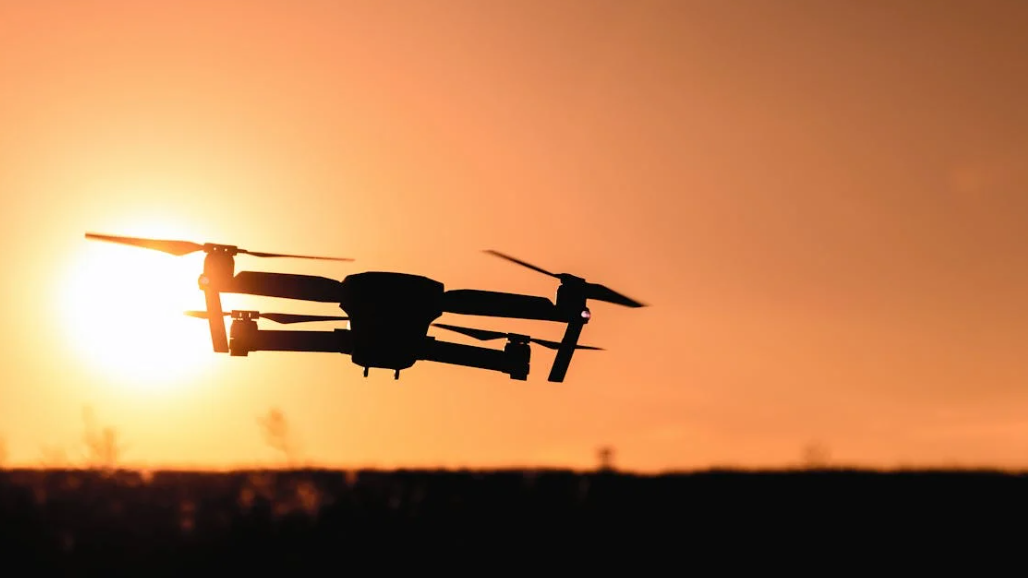
When mounted on drones, EO/IR sensors overcome the limitations of traditional ground equipment, offering continuous, stable aerial overviews of areas inaccessible from the ground.

2. Drones + EO/IR: Sustainable Aerial Monitoring Platforms
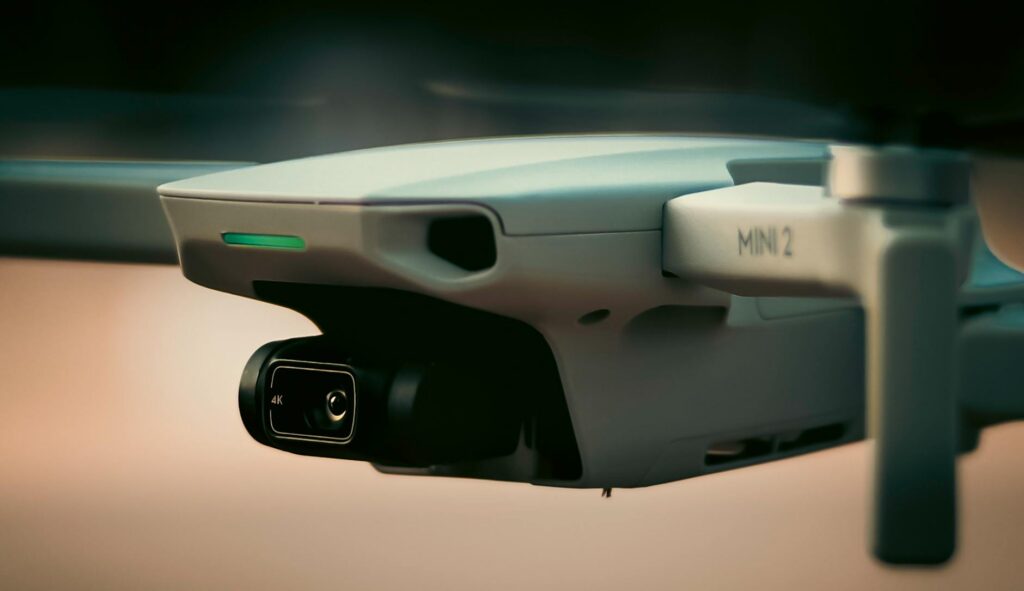
Tethered drone systems serve two core functions via their cables: continuous power supply and real-time data transmission. This ensures EO/IR sensors operate nonstop for extended periods. This “aerial monitoring + long endurance” combination plays a pivotal role in high-difficulty fire scenarios:
Wildfire Management: Supports continuous fire monitoring for hours or even days, providing real-time data to guide the deployment of ground rescue teams and the setup of fire containment lines;
Building Fire Assessment: Enables remote evaluation of roof structural stability and fire spread through vents—eliminating the need for firefighters to take unnecessary risks and reducing casualty risks;
Comprehensive Disaster Response: Delivers panoramic views of affected areas to assist in prioritizing post-disaster rescue efforts and formulating recovery plans.
3. Optimizing Fireground Operational Efficiency: Overcoming Visibility and Coverage Limits
The core value of drones equipped with EO/IR sensors lies in solving key pain points of ground-based monitoring through aerial perspectives—significantly enhancing operational efficiency. They are particularly effective in three scenarios:
When complex terrain (e.g., mountains, canyons) or dense buildings block ground visibility;
When monitoring large areas (e.g., forests, industrial parks) where ground equipment cannot provide sufficient coverage;
When fire conditions are constantly changing (e.g., spreading flames, structural collapse risks) and stable real-time data is essential.
4. EO/IR + Drones: Four Practical Fire Rescue Applications
This technology has become a trusted “right-hand tool” for modern fire departments, integrated deeply into various fire rescue tasks:
Urban Building Fires: Real-time monitoring of heat distribution inside buildings, assessment of structural integrity, and early warning of collapse risks;
Large-Scale Wildfires: Continuous tracking of fire spread to support resource allocation—such as helicopter water drops and ground firebreak construction;
Remote Area Search and Rescue: Rapidly locates missing persons in dangerous areas like mountains or wilderness, reducing the time and cost of search efforts;
Hazardous Materials Incidents: Precisely detects abnormal temperatures in storage tanks or pipelines, warning of escalating chemical reactions or leakage risks.
5. Conclusion: A “Must-Have” for Modern Firefighting, Not an “Option”
Today, EO/IR sensors are no longer optional extras for fire departments—they are core tools for modern emergency rescue. When integrated with drone systems, they provide high-altitude, continuous, and stable monitoring views, effectively addressing the complex, ever-changing challenges of firegrounds.
For fire departments, investing in EO/IR sensors + drone technology does more than improve efficiency in saving lives and protecting property—it also provides solid safety guarantees for frontline rescue teams. This is precisely the key direction for upgrading modern fire emergency response capabilities.