In today’s world, the need for efficient and reliable surveillance has never been more critical. As technology evolves, security professionals have access to a variety of advanced tools. One of the most significant breakthroughs in this field is the development of infrared cameras. These cameras are revolutionizing how we monitor and secure areas, especially during nighttime or in low-light environments. This article explores how these cameras are enhancing surveillance, making nighttime operations more effective than ever before.
Understanding Infrared Technology
Before delving into its applications, it’s important to understand how infrared technology works. Unlike traditional cameras, which rely on visible light, infrared cameras detect heat emitted by objects. Every object—whether it’s a person or a vehicle—radiates heat, and infrared systems can capture this and convert it into a visual representation. This ability to detect heat signatures allows these cameras to be extremely useful for monitoring in the dark.
Infrared sensors capture this radiation, turning it into thermal images. Warmer objects appear brighter, while cooler ones appear darker. This makes infrared cameras invaluable for operations conducted in total darkness or poor visibility conditions, providing a clear image of what is happening on the ground.
Why Infrared Cameras Are Revolutionizing Nighttime Surveillance
- Visibility in Total Darkness
One of the most notable benefits of infrared cameras is their ability to provide clear visibility in complete darkness. Traditional cameras require light to capture an image, but infrared cameras don’t rely on any visible light. This makes them perfect for monitoring in areas where lighting is minimal or undesirable, such as remote locations or when stealth is necessary.
- Precision in Heat Detection
Infrared cameras excel in detecting heat signatures. This allows them to pick up subtle temperature changes, making them highly effective at spotting potential threats. Whether it’s an intruder in a restricted area or a vehicle moving through a monitored zone, infrared technology can detect these changes with remarkable accuracy. This precision makes it difficult for any potential threat to go unnoticed.
- Reliable in Challenging Conditions
Infrared cameras are also incredibly useful in challenging environmental conditions. Traditional optical systems struggle in conditions such as fog, smoke, or haze. However, infrared cameras aren’t affected by these factors because they detect heat rather than relying on visible light. This makes them essential for surveillance in areas where weather conditions might otherwise hinder traditional systems.
- Improved Operational Efficiency
Beyond improving the quality of surveillance, infrared cameras also enhance the operational efficiency of security teams. These cameras can cover large areas with fewer personnel, allowing for more comprehensive monitoring. Early detection of intrusions or unusual activity gives teams the time to respond quickly and appropriately, preventing security incidents before they escalate.
- Long-Term Cost Effectiveness
While infrared cameras might come with a higher initial cost, they offer substantial long-term savings. These systems reduce the need for additional lighting, minimizing energy consumption. Additionally, by enabling more efficient monitoring, they can reduce the overall number of staff required, further driving down operational costs.
Real-World Applications of Infrared Technology

Infrared cameras have numerous applications across various industries, showcasing their versatility and effectiveness. Here are some of the most significant uses:
- Military and Defense: Infrared cameras are commonly used for surveillance, night operations, and border patrol. They help detect enemy movements and provide real-time intelligence in low-visibility environments.
- Law Enforcement: Law enforcement agencies use infrared cameras to monitor dark areas, track suspects, and conduct surveillance operations at night, where traditional cameras may fail.
- Wildlife Monitoring: Researchers utilize infrared technology to study nocturnal animals and monitor wildlife in their natural habitats without disrupting their behavior.
- Industrial Surveillance: Infrared cameras help monitor large facilities, detecting unauthorized access and preventing theft. They can also identify equipment malfunctions, such as overheating machines, which could otherwise lead to failures. For more on industrial surveillance solutions, check out this comprehensive guide to thermal imaging in industrial applications.
- Search and Rescue Operations: In emergencies, infrared cameras can locate individuals trapped in dark or difficult-to-reach areas, significantly improving response times during rescue missions.
The Future of Infrared Technology
The future of infrared cameras is very promising. With advancements in sensor technology, infrared systems are becoming smaller, more affordable, and capable of capturing even higher-resolution images. This evolution is making infrared technology accessible to a wider range of industries and applications, beyond just high-budget security systems.
Moreover, the integration of artificial intelligence (AI) is enhancing the capabilities of these cameras. AI can help detect anomalies in real-time, automatically flagging suspicious activity or objects for closer inspection. This allows for more efficient surveillance and faster responses to potential threats.
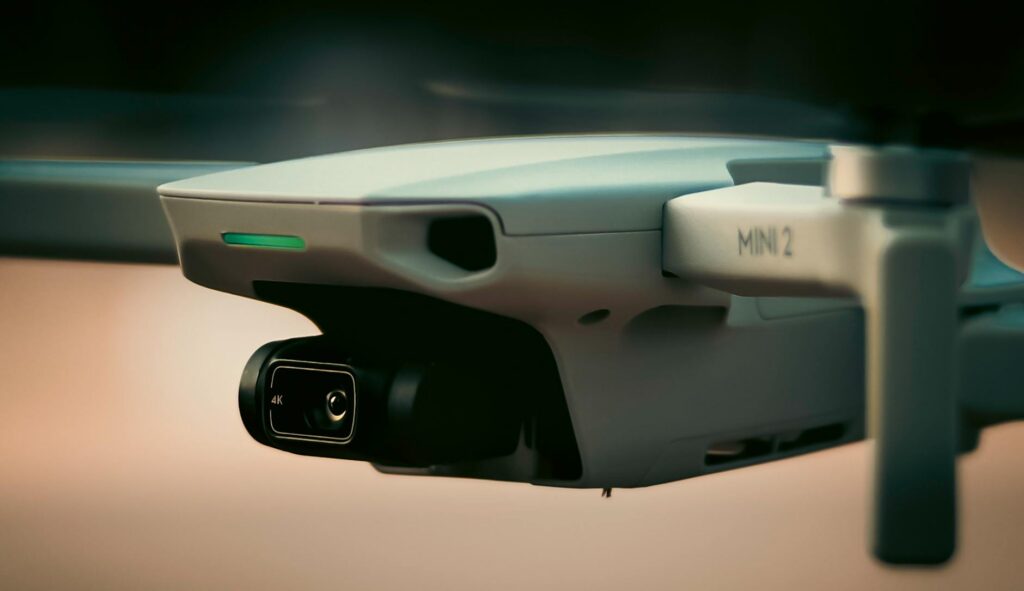
Drones equipped with infrared cameras are also gaining traction. These drones can cover vast areas quickly, providing real-time thermal images of large regions, which is particularly useful for search-and-rescue operations, border patrol, and security surveillance.
Environmental Benefits and Sustainability
In an era where sustainability is increasingly important, infrared technology offers an eco-friendly alternative to traditional security systems. By reducing the need for artificial lighting, infrared cameras help lower energy consumption. Additionally, they contribute to reducing light pollution, which is a major concern in urban areas. As such, infrared surveillance not only improves security but also offers environmental advantages.
Conclusion
Infrared cameras have transformed nighttime surveillance, offering clear visibility in total darkness, detecting heat signatures with high precision, and operating effectively in challenging conditions. As technology continues to advance, these cameras will only become more powerful, making them an essential tool for modern security operations.
In a world where safety and security are paramount, infrared technology offers a game-changing solution. Whether used for monitoring remote locations, protecting valuable assets, or ensuring public safety, infrared systems are proving to be indispensable. By embracing this innovative technology, we can ensure a safer and more secure future.