In recent years, the world of robotics has witnessed a jaw-dropping transformation, and at the forefront of this revolution stands one of the most fascinating innovations: the robot dog. What once seemed like a far-fetched sci-fi fantasy has evolved into a tangible, versatile tool that’s reshaping industries, simplifying daily tasks, and pushing the boundaries of what machines can achieve. With their agile movements, intelligent sensors, and adaptive capabilities, robot dogs are no longer just a novelty—they are an unstoppable force driving efficiency and creativity across multiple sectors.
The Unmatched Versatility of Robot Dogs: Mimicking Canine Agility With Tech Precision
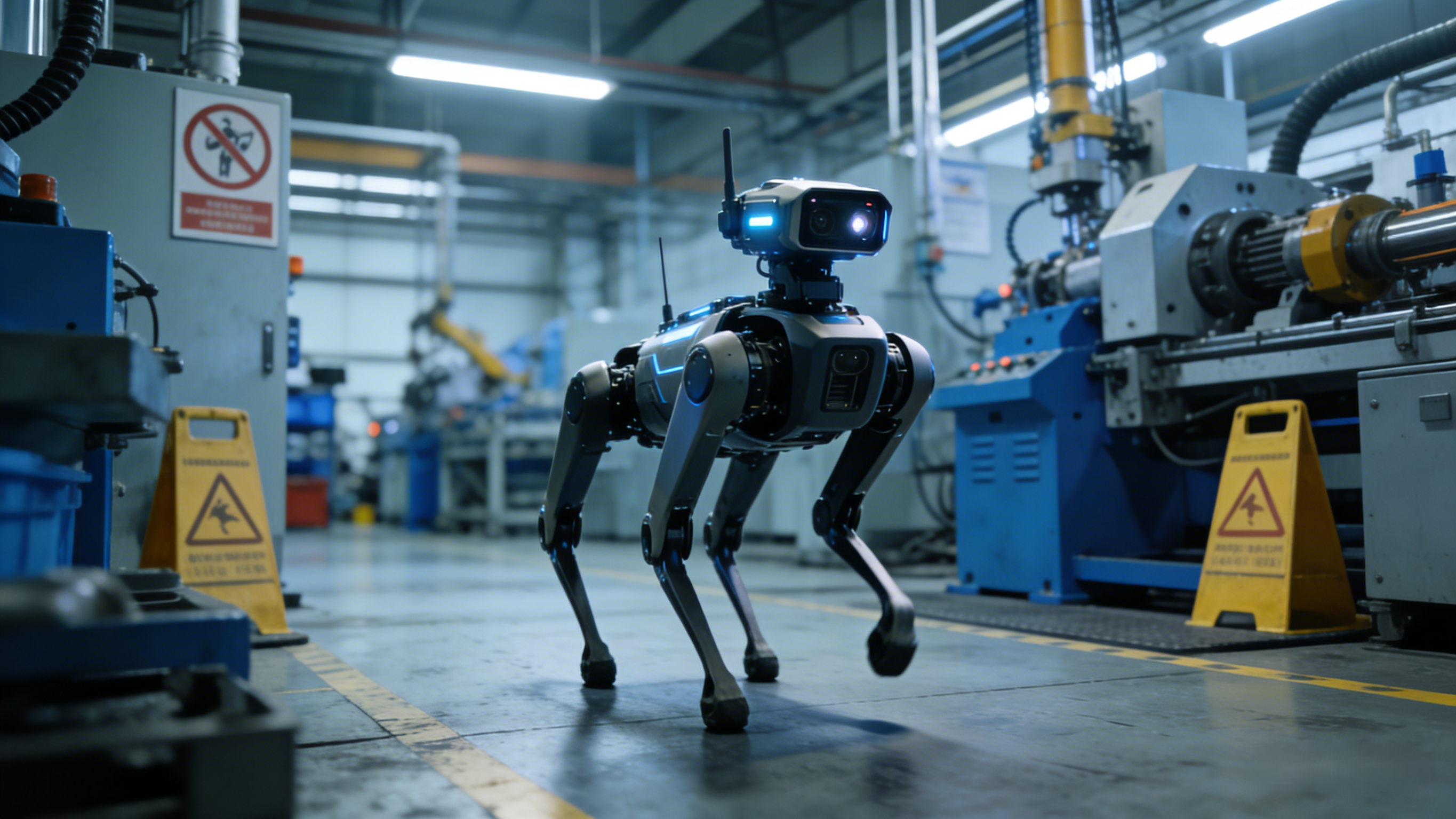
The core appeal of a robot dog lies in its uncanny ability to mimic the mobility and adaptability of real canines, without the limitations of biological organisms. Unlike traditional robots that are confined to fixed paths or structured environments, these four-legged wonders navigate rough terrain, climb stairs, and squeeze through tight spaces with remarkable ease. Equipped with advanced AI algorithms, LiDAR sensors, and high-definition cameras, a robot can map its surroundings in real time, avoid obstacles, and make split-second decisions to complete its mission. This level of autonomy makes it an ideal companion for tasks that are too dangerous, tedious, or complex for humans to handle alone.
Robot Dogs in Industrial Settings: Boosting Safety and Efficiency
When it comes to industrial applications, robotic quadruped technology has proven to be a game-changer. In construction sites, these robotic assistants patrol areas to inspect structural integrity, monitor equipment performance, and detect potential hazards like gas leaks or unstable scaffolding. Their ability to traverse uneven ground and reach hard-to-access spots eliminates the need for human workers to risk their lives in high-risk zones. Similarly, in the energy sector, robotic quadruped are deployed to inspect pipelines, wind turbines, and power plants, where they can operate in extreme temperatures and harsh conditions without fatigue. By replacing manual inspections with robotic ones, companies not only boost safety but also cut down on costs and improve operational efficiency.
Robot Dogs for Daily Life: From Household Helpers to Public Security
Beyond industrial use, robot dog devices are making their way into everyday life, offering practical solutions for households and communities. For individuals with mobility challenges, a robotic quadruped can serve as a smart helper, fetching items, opening doors, and even providing companionship. Some models are designed with interactive features, allowing users to control them via smartphone apps or voice commands, making them intuitive and easy to use. In public spaces, robot dogs are being used as security patrols, patrolling parks, malls, and airports to deter theft and monitor crowds. Their presence acts as a visible deterrent, while their sensors can detect suspicious activities and alert authorities in real time.
Pros and Cons of Robot Dog Technology: Balancing Innovation and Challenges
Of course, like any emerging technology, robot dog systems have their share of advantages and limitations. On the plus side, their compact size, agility, and autonomy make them highly versatile, capable of adapting to a wide range of tasks and environments. They are also more cost-effective than human labor in the long run, as they require minimal maintenance and can operate 24/7 without breaks. However, challenges remain, such as battery life constraints—most robot dog models can only run for a few hours before needing a recharge—and ethical concerns about privacy and job displacement. As the technology continues to advance, researchers are working to address these issues, developing longer-lasting batteries and creating guidelines to ensure responsible use.
The Future of Robot Dogs: What’s Next for This Revolutionary Tech
The future of robot dog innovation looks brighter than ever. With ongoing advancements in AI and robotics, we can expect to see even more sophisticated models hitting the market—ones with enhanced cognitive abilities, longer battery life, and even more human-like interactions. Some experts predict that robot dog devices will soon be integrated with other smart technologies, such as 5G networks and the Internet of Things (IoT), to create a seamless, interconnected ecosystem where robots work alongside humans to solve global challenges. From disaster response to healthcare, the potential applications of robot dog technology are virtually limitless.
In conclusion, the robot dog is far more than just a cool tech gadget—it’s a revolutionary tool that’s changing the way we live and work. Its unique combination of agility, intelligence, and versatility makes it an unstoppable asset in industry, daily life, and beyond. As we move into a future where robotics plays an increasingly vital role, the robot dog stands as a shining example of how innovation can turn imagination into reality. Whether you’re a business owner looking to boost efficiency, a homeowner in need of a helping hand, or simply a tech enthusiast curious about the next big thing, the robot dog is a technology that deserves your attention.