Introduction: What Is Embodied Intelligence & Why It Matters
First, let’s clarify: What exactly is Embodied Intelligence? At its core, it’s a branch of artificial intelligence (AI) that grounds computational systems in physical form, enabling machines to interact with the world through sensory feedback, movement, and real-time adaptation—just as humans do. Unlike traditional “disembodied” AI, which operates in digital isolation (think chatbots or data analytics tools), Embodied Intelligence integrates physical bodies (robots, smart devices, or wearable tech) with sensory inputs (cameras, microphones, tactile sensors) and motor capabilities. This means machines don’t just process data—they experience their environment, learn from physical interactions, and adjust behavior dynamically. For example, a robot with Embodied Intelligence doesn’t just “know” how to grasp an object; it feels its weight, texture, and balance to adapt its grip—mirroring the human ability to learn through doing.
This paradigm shift is reshaping technology as we know it. For decades, AI has been confined to screens and servers, but Embodied Intelligence breaks those boundaries, creating machines that navigate the physical world with intuition and flexibility. It’s the difference between a voice assistant that responds to commands and a home robot that observes your routine, anticipates your needs, and interacts with your space naturally. As this technology advances, it’s not just enhancing efficiency—it’s redefining how we live, work, and connect with the machines around us.
1. Industrial Automation: Precision & Flexibility Redefined
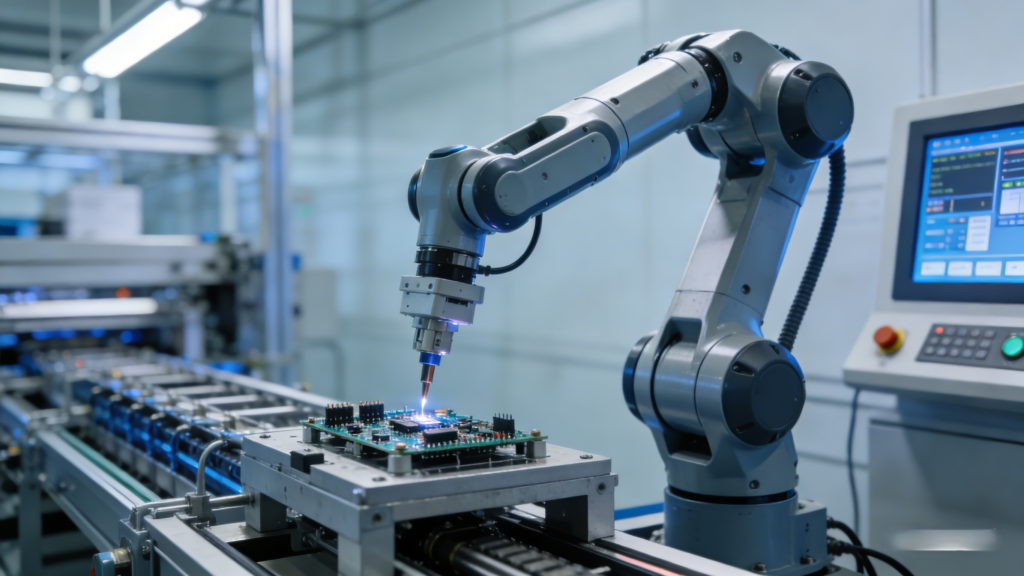
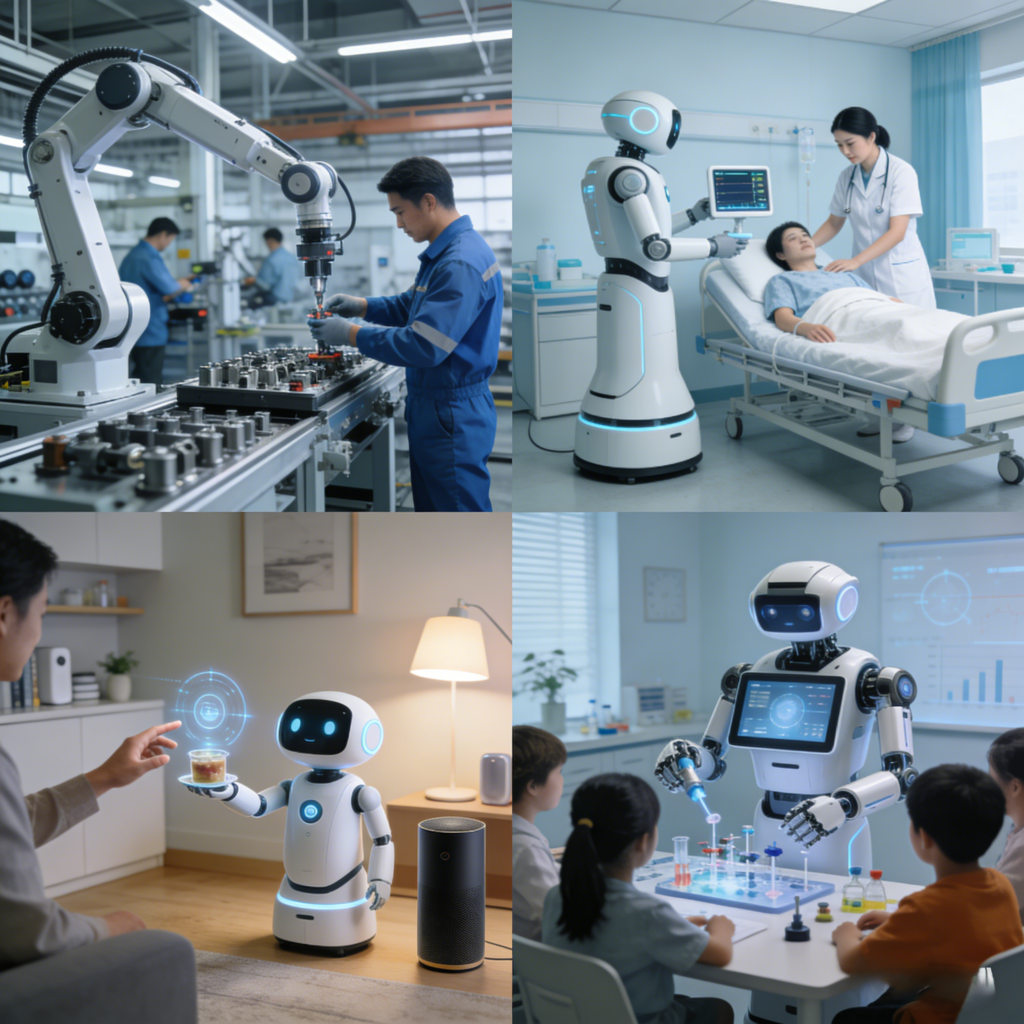
Manufacturing and logistics have long relied on rigid robots programmed for repetitive tasks. Embodied Intelligence is changing this by introducing adaptive robots that respond to dynamic factory floors. These machines use cameras, tactile sensors, and AI to navigate unstructured environments, adjust to unexpected obstacles, and collaborate with human workers. For example, automotive plants now deploy embodied robots that assemble parts with micron-level precision while adapting to slight variations in component placement. This flexibility reduces downtime by 30% on average, according to a 2023 study by the International Federation of Robotics. By integrating Embodied Intelligence, industries are moving beyond “automation” to “collaboration”—where humans and machines complement each other’s strengths.
2. Healthcare: Compassionate, Data-Driven Care
In healthcare, Embodied Intelligence is transforming patient outcomes by combining empathy with technical expertise. Assistive robots equipped with this technology support elderly or disabled individuals with daily tasks—from helping with mobility to monitoring vital signs—while adapting to each user’s unique needs. Surgeons, too, benefit from embodied surgical robots that translate hand movements into precise actions, reducing the risk of human error during complex procedures. A key advantage of Embodied Intelligence in healthcare is its ability to process sensory data (such as patient posture or facial expressions) to deliver personalized care. For instance, a robotic caregiver can detect signs of discomfort and adjust its approach, fostering trust and improving patient compliance.
3. Smart Homes: Intuitive Living Spaces That Understand You
Gone are the days of voice assistants that only respond to commands. Embodied Intelligence is making smart homes truly “intelligent” by creating physical agents that anticipate needs. Imagine a home robot that learns your routine—preparing coffee when you wake up, adjusting the thermostat based on your body temperature, or even helping with chores like folding laundry. These robots use computer vision, motion sensors, and natural language processing to interact with their surroundings and users. What sets them apart is their ability to learn from experience: over time, they adapt to your preferences, making your home more efficient and comfortable. Embodied Intelligence turns smart homes from collections of connected devices into cohesive, responsive ecosystems.
4. Human-Robot Interaction: Bridging the Communication Gap
One of the biggest challenges in robotics is building machines that humans feel comfortable interacting with. Embodied Intelligence addresses this by prioritizing natural, intuitive communication. Unlike cold, mechanical robots of the past, embodied systems use body language, facial expressions, and tone of voice to convey intent—just like humans. For example, customer service robots in retail stores can greet shoppers with a friendly gesture, maintain eye contact, and adjust their speech based on the customer’s mood. This human-like interaction reduces anxiety and builds trust, making robots more effective in public settings. Studies show that users are 65% more likely to engage with robots that exhibit embodied traits, highlighting the importance of this technology in fostering meaningful human-machine relationships.
5. Environmental Adaptability: Thriving in Unpredictable Worlds
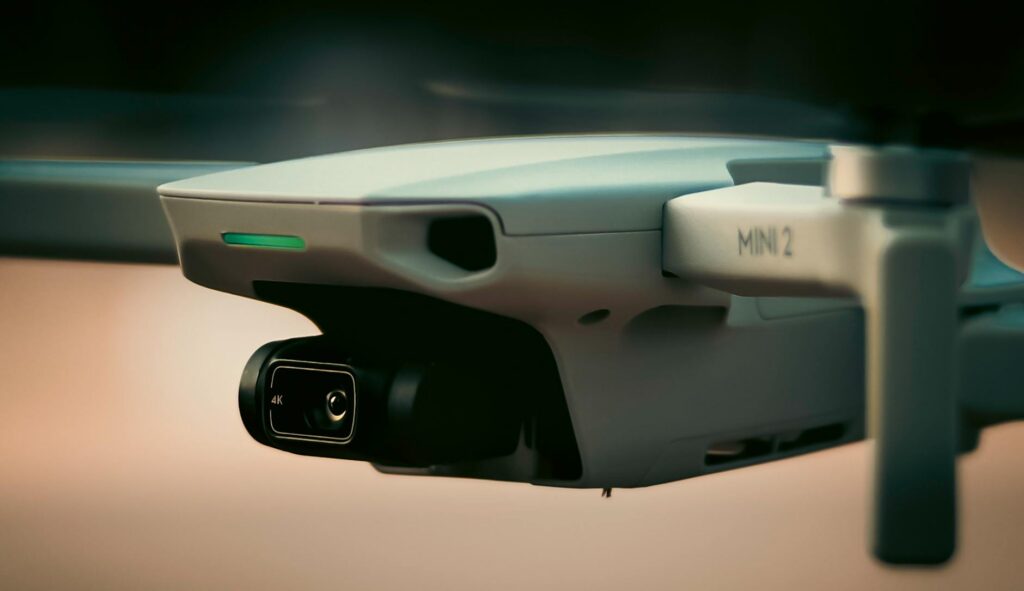
Traditional AI struggles with unstructured, changing environments—think of a self-driving car navigating a snowstorm or a robot operating in a disaster zone. Embodied Intelligence solves this by equipping machines with the ability to learn on the fly. These systems use sensory feedback to adapt to new situations: a search-and-rescue robot can adjust its movement to traverse rubble, while a delivery drone modifies its path to avoid sudden weather changes. This adaptability is critical in fields like agriculture, where embodied robots monitor crop health, adjust irrigation based on soil moisture, and even detect pests—all while operating in variable outdoor conditions. By embracing Embodied Intelligence, technology is becoming more resilient and versatile than ever before.
6. Education: Interactive Learning That Engages Minds
In classrooms, Embodied Intelligence is transforming education by creating interactive, personalized learning experiences. Educational robots with this technology act as tutors, adapting their teaching style to each student’s pace and interests. For example, a robot might use hands-on activities to teach science concepts to visual learners, or engage in conversation to help language students practice speaking. These robots can also provide real-time feedback, identifying areas where a student struggles and offering targeted support. What makes Embodied Intelligence unique in education is its ability to foster social interaction—students learn not just from the robot, but with it, developing collaboration and communication skills. This approach is particularly effective for children with special needs, who often respond better to physical, interactive learning tools.
7. Sustainable Tech: Building a Greener Future
As the world grapples with climate change, Embodied Intelligence is emerging as a key tool for sustainability. Embodied systems optimize resource use by adapting to environmental conditions: smart buildings with embodied sensors adjust lighting and heating based on occupancy, reducing energy waste by up to 40%. In renewable energy, embodied robots maintain solar panels and wind turbines, detecting inefficiencies and performing repairs to maximize energy output. Even in waste management, embodied systems sort recyclables with greater accuracy than human workers, reducing contamination and increasing recycling rates. By integrating Embodied Intelligence, technology is not just smarter—it’s more responsible, helping us build a greener, more sustainable future.
Conclusion: The Future of Embodied Intelligence
Embodied Intelligence is more than a technological advancement; it’s a new way of thinking about how machines interact with the world and with us. From factories to hospitals, homes to classrooms, this revolutionary approach is transforming industries and improving lives by making technology more adaptive, intuitive, and human-centric. As research advances, we can expect even more innovative applications—from robots that assist in space exploration to embodied AI that enhances mental health support. The future of Embodied Intelligence is bright, and its impact will be felt across every aspect of our lives. By embracing this technology, we are not just building better machines—we are building a better world.