What if you could see in complete darkness, spot hidden moisture in your walls, or identify an electrical fault before it causes a fire? This isn’t a superpower; it’s the incredible reality made possible by thermal imaging cameras. These powerful devices are revolutionizing industries and even finding their way into the hands of homeowners and DIY enthusiasts. This comprehensive guide will unveil how thermal imaging cameras work, explore their astonishing applications, and guide you in selecting the right model to unlock a hidden world of information.
What is a Thermal Imaging Camera and How Does It Work?
A thermal imaging camera, also known as a thermographic camera, is a device that creates an image using infrared radiation. Unlike regular cameras that capture visible light, these cameras “see” heat.
The core principle is simple: all objects emit infrared energy as a function of their temperature. The hotter an object is, the more radiation it emits. A thermal imaging camera detects this subtle radiation and converts it into a visual image, called a thermogram. In this image, different temperatures are represented by various colors, allowing you to visualize heat distribution instantly. This technology allows you to identify hot and cold spots that are completely invisible to the naked eye, making it an indispensable tool for diagnosis and inspection.
Amazing Applications of Thermal Imaging Cameras
The uses for thermal imaging cameras are vast and growing. Their ability to see heat signatures unlocks solutions across countless fields.
1.Building Inspections & Energy Audits: This is one of the most common uses. Inspectors use thermal imaging cameras to find missing insulation, air leaks around windows and doors, and moisture intrusion within walls. This helps homeowners save significantly on energy bills and prevent mold growth.
2.Electrical & Industrial Maintenance: Prevent costly downtime and dangerous fires. Thermal imaging cameras can quickly scan electrical panels, circuits, and machinery to identify overheating components, loose connections, and failing bearings long before they cause a catastrophic failure.
3.Security & Surveillance: Protect your property day and night. Security teams use thermal imaging cameras to detect intruders in total darkness, through light fog, and even in dense foliage, where traditional cameras would be useless. The heat signature of a person is unmistakable.
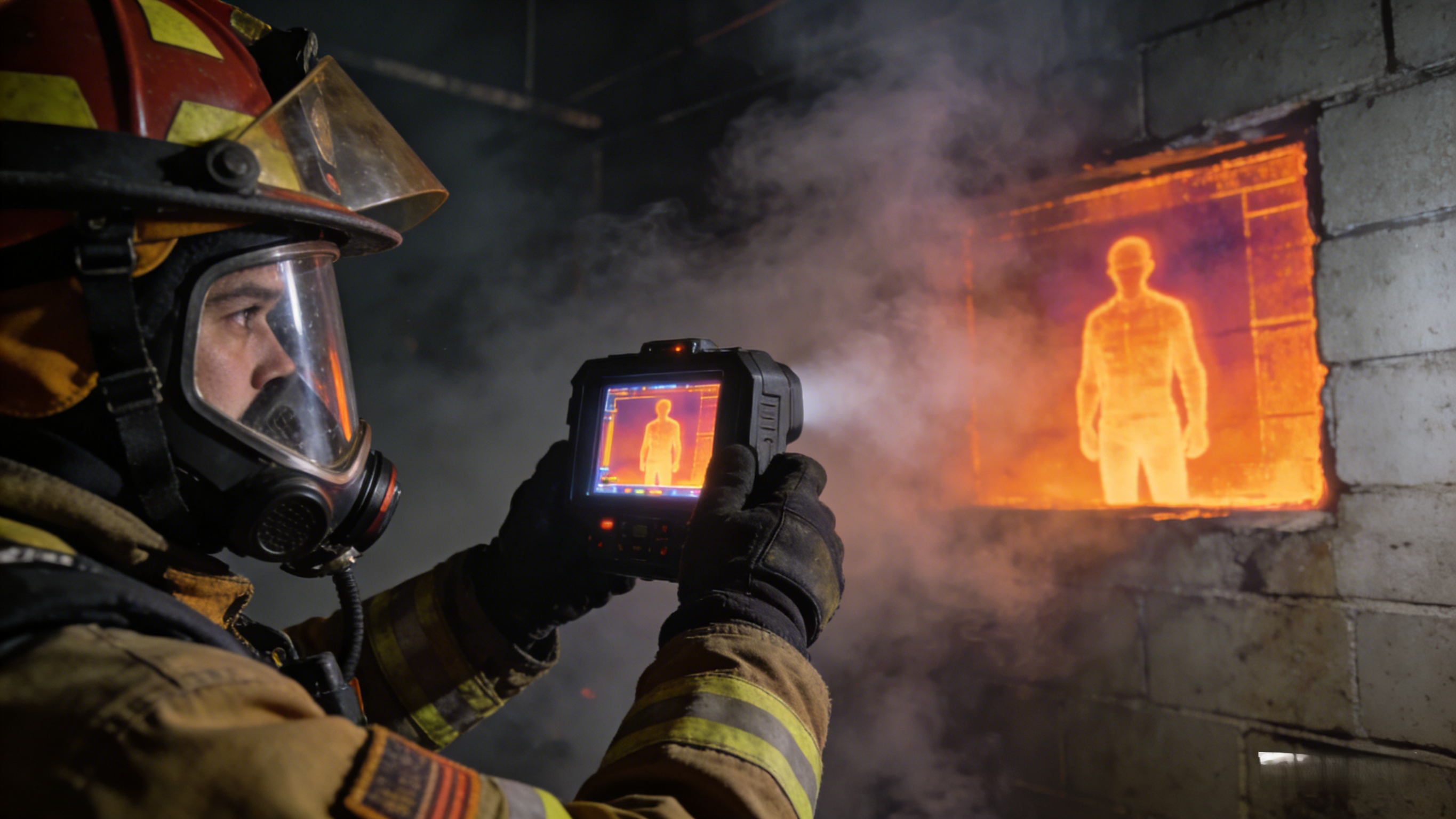
4.Firefighting: This technology saves lives. Firefighters use thermal imaging cameras to see through smoke, locate trapped individuals, and identify the seat of a fire behind walls, allowing for a faster and safer response.
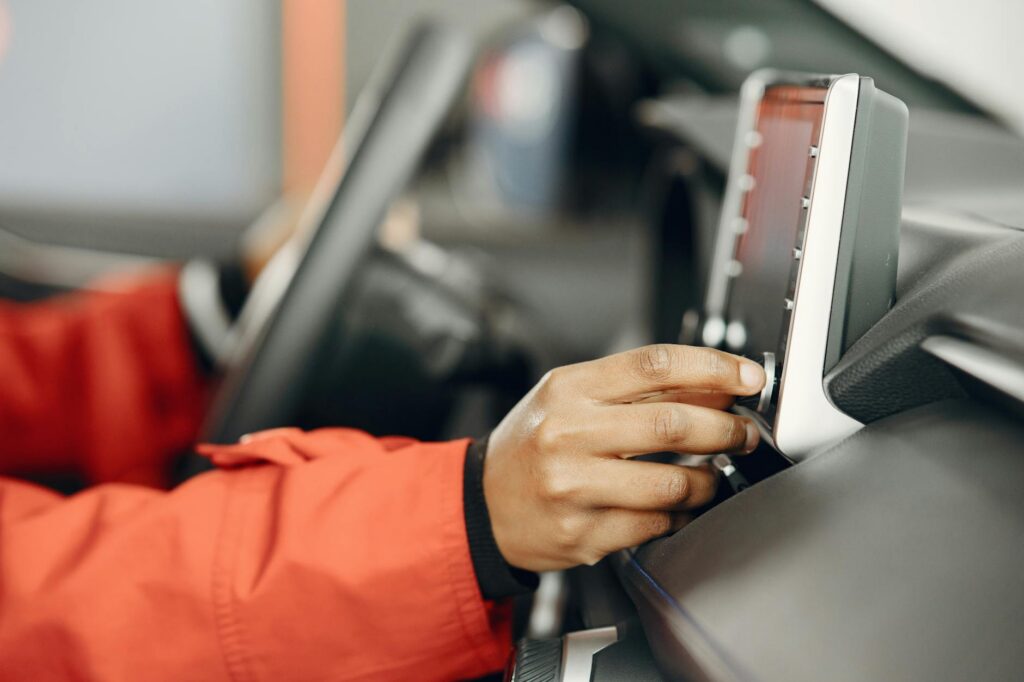
5.Automotive Repair: Modern mechanics use thermal imaging to diagnose overheating engines, troubleshoot HVAC systems, and identify problems with brakes and exhaust systems quickly and non-invasively.
6.Healthcare & Veterinary Medicine: In medicine, thermal imaging can help detect inflammation, monitor circulation, and even screen for fevers in public spaces. Veterinarians use it to diagnose injuries in animals, as pain and inflammation often manifest as heat.
How to Choose the Right Thermal Imaging Camera
With a range of models available, selecting the right thermal imaging camera depends on your needs and budget. Here are the key factors to consider:
1.Resolution: This is critical. The detector resolution (e.g., 160×120, 320×240) determines the clarity of the thermal image. Higher resolution provides sharper detail, allowing you to see smaller issues from a greater distance.
2.Temperature Range: Ensure the camera’s temperature range covers the applications you need. A model for home inspections might have a lower range than one designed for industrial furnaces.
3.Thermal Sensitivity: This measures the smallest temperature difference the camera can detect. A higher sensitivity (e.g., <50 mK) allows you to see finer details and subtle temperature variations.
4.Features: Look for useful features like a visible light camera for picture-in-picture analysis, robust software for reporting, and a user-friendly interface. Many modern devices can even connect directly to your smartphone.
The Future is Warm: A World Seen Through Heat
The technology behind thermal imaging cameras continues to advance rapidly. We are seeing smaller, more affordable, and more powerful models entering the market. The integration of AI for automatic fault detection and the rise of smartphone-connected devices are making this incredible technology more accessible than ever.
Whether you are a professional looking to enhance your diagnostic capabilities or a curious individual wanting to uncover hidden problems in your home, a thermal imaging camera offers a powerful new perspective. It truly is a key to seeing the unseen world all around us.