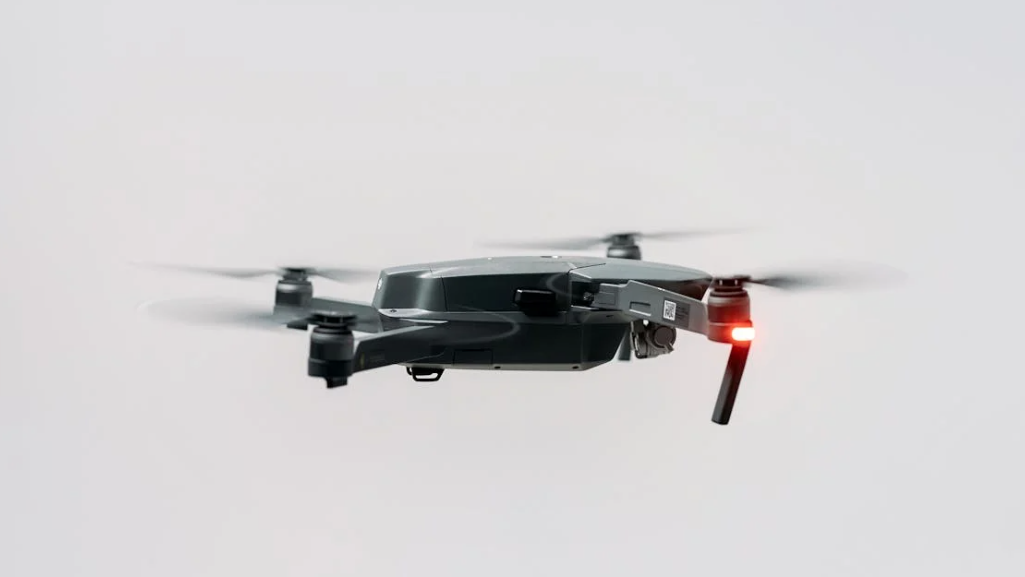
I. What Is a Drone Thermal Camera Pod?
A drone thermal camera pod is a specialized imaging device mounted on drones, with its core function being to detect and measure heat emitted by objects and environments from the air.
Its working principle is as follows: It captures infrared radiation (invisible to the naked eye) and converts temperature differences between different objects into visible thermal images. Through these images, operators can clearly identify thermal signals and heat distribution patterns of an area or structure.
This technology helps detect key targets such as heat leaks, electrical faults, or missing persons in search and rescue missions. It provides core data for industries including infrastructure inspection, agriculture, and environmental monitoring—ultimately enhancing operational safety, improving efficiency, and supporting more scientific decision-making.

II. Development and Core Advantages of Drone Thermal Camera Pod Technology
Drone thermal camera pod technology originated during the Cold War, when infrared technology was mainly used for military surveillance and target detection. However, due to the bulky equipment and high costs at that time, its application was limited to the military field.
With technological evolution, thermal imaging has gradually shifted from being military-exclusive to a core tool for civilian and commercial use. In particular, its integration with drones has greatly expanded its application scope. The specific advantages are as follows:
Enhanced Operational Safety: Operators can remotely inspect dangerous or hard-to-reach areas (such as high-altitude power towers and chemical facilities) without direct human contact, reducing the risk of exposure to hazards. Hidden issues like gas leaks, electrical faults, and structural weaknesses can be identified through thermal signals alone.
Improved Operational Efficiency: Compared with traditional ground surveys, it can quickly cover large or complex areas (such as large-scale farmland and mountainous regions). Real-time aerial thermal imaging data is obtained to instantly locate key focus areas, simplifying processes like inspection, surveying, and emergency response.
Optimized Decision-Making Basis: Detailed thermal images are generated to visually display temperature changes and abnormal heat sources. This provides accurate data for inspectors, emergency teams, command centers, and other stakeholders, supporting informed decision-making.
Significant Cost Savings: Early detection of potential problems (such as overheating equipment and pipeline leaks) prevents minor faults from escalating into high-cost repairs or replacements. Additionally, compared with deploying helicopters and ground teams for each task, it requires less logistical support, reducing overall expenses.
Compliance with Regulatory Requirements: Thermal imaging drone pods can achieve precise monitoring and data recording through integrated software solutions, helping operators and enterprises meet industry regulatory standards.
III. Industry Application Scenarios of Infrared Drones
Leveraging its characteristics of “detecting heat sources and penetrating partial obstructions,” drone thermal imaging technology plays a key role in multiple industries:
Search and Rescue Missions: In complex terrains (mountains, forests) or harsh conditions (nighttime, smoke), it quickly locates missing persons by detecting human body heat, improving rescue efficiency.
Infrastructure Inspection: Identifies issues such as heat leaks in building walls, overheating of power line joints, and pipeline corrosion (accompanied by abnormal temperatures) to ensure the safe operation of facilities.
Agriculture Sector: By monitoring temperature differences in crops, it judges crop health (e.g., water-deficient areas have higher temperatures), evaluates irrigation effectiveness, or detects pests and diseases (pest-infested areas are often accompanied by abnormal temperatures).
Environmental Monitoring: Tracks wildlife (identified by body temperature), detects small forest fire spots early (to prevent fire spread), or monitors changes in water temperature (reflecting ecological conditions).
Oil and Gas Industry: Inspects storage tanks and oil pipelines for leaks (leaking areas have obvious temperature differences from the surrounding environment) or equipment overheating to prevent safety accidents.
Law Enforcement Field: Uses thermal imaging capabilities to conduct surveillance and track suspects at night, or assist in investigating illegal activities (such as heat source characteristics of hidden workshops) to support security operations.

IV. How to Select the Right Drone Thermal Cmaera Pod?
Drone thermal camera pods from different brands vary greatly in performance. When selecting one, focus on the following key factors to ensure it matches actual needs:
Resolution and Sensitivity: Higher thermal imaging resolution (e.g., 640×512 pixels) and temperature sensitivity (e.g., <50mK) can present more detailed thermal details and more accurate temperature difference identification. This is suitable for scenarios requiring high precision (such as electrical fault detection).
Detection Range and Zoom Capability: For tasks that require long-distance imaging (such as power line inspection and long-range search and rescue), a longer detection range (e.g., identifying human bodies at the 100-meter level) and flexible zoom function are crucial.
Payload Compatibility: Confirm that the pod’s weight and interface match the existing drone model to avoid unstable flight or inability to install due to incompatible payloads.
Industry-Specific Functions: Select customized functions based on scenario needs. For example, pay attention to the “night vision enhancement mode” for nighttime operations; prioritize sensors with “multispectral fusion (thermal imaging + visible light)” for agricultural monitoring; and consider the “temperature alarm threshold setting” function for industrial inspection.